A guide to Hajj, Umrah and prayer

Surahs of the Quran, the kalimah and salawat, every word of the prayer, everyday duas, and what to say at each step of Umrah and Hajj: in Arabic, with Bangla pronunciation, Bangla meaning and English. Read it any time, on any phone.

Arabic: Every ayah is taken verbatim from the verified Uthmani text of the Tanzil Project. The Arabic of every dua and hadith is matched letter for letter across two independent copies of Sahih al-Bukhari, Sahih Muslim, Abu Dawud, at-Tirmidhi and Ibn Majah; none of it is typed by hand.

Pronunciation and meanings: The Bangla pronunciation and the Bangla and English meanings are plain-language drafts not yet checked by a scholar. Bangla letters cannot show every Arabic sound exactly, so learn correct recitation from a teacher.

Rulings: The lists of fard, wajib and sunnah follow the Hanafi school, the one followed in Bangladesh. Ask your group's scholar about your own situation.

Tap an ayah's Arabic to hear it recited.

Chapter 1

Surahs and ayat

The short surahs recited in prayer, Ayat al-Kursi and the last two ayat of Al-Baqarah.

Read this chapter on its own page

Surahs for prayer

After Al-Fatihah in each rak'ah, any one of these (or at least three short ayat) may be recited. They are in the Quran's order, to make memorising easier.

Surah Al-Fatihah

Surah Al-Fatihah, 1:1–7
  1. بِسْمِ ٱللَّهِ ٱلرَّحْمَٰنِ ٱلرَّحِيمِ ۝١

    1বিসমিল্লাহির রহমানির রহীম।

    In the name of Allah, the Most Compassionate, the Most Merciful.

    পরম করুণাময়, পরম দয়ালু আল্লাহর নামে।

  2. ٱلْحَمْدُ لِلَّهِ رَبِّ ٱلْعَٰلَمِينَ ۝٢

    2আলহামদু লিল্লাহি রব্বিল 'আলামীন।

    All praise belongs to Allah, Lord of all the worlds,

    সমস্ত প্রশংসা আল্লাহর, যিনি সকল জগতের প্রতিপালক।

  3. ٱلرَّحْمَٰنِ ٱلرَّحِيمِ ۝٣

    3আর-রহমানির রহীম।

    the Most Compassionate, the Most Merciful,

    যিনি পরম করুণাময়, পরম দয়ালু।

  4. مَٰلِكِ يَوْمِ ٱلدِّينِ ۝٤

    4মালিকি ইয়াওমিদ দীন।

    Master of the Day of Judgement.

    যিনি বিচার দিনের মালিক।

  5. إِيَّاكَ نَعْبُدُ وَإِيَّاكَ نَسْتَعِينُ ۝٥

    5ইয়্যাকা না'বুদু ওয়া ইয়্যাকা নাস্তা'ঈন।

    You alone we worship, and You alone we ask for help.

    আমরা শুধু তোমারই ইবাদত করি, আর শুধু তোমারই কাছে সাহায্য চাই।

  6. ٱهْدِنَا ٱلصِّرَٰطَ ٱلْمُسْتَقِيمَ ۝٦

    6ইহদিনাস সিরাতাল মুস্তাকীম।

    Guide us along the straight path,

    আমাদের সরল পথ দেখাও,

  7. صِرَٰطَ ٱلَّذِينَ أَنْعَمْتَ عَلَيْهِمْ غَيْرِ ٱلْمَغْضُوبِ عَلَيْهِمْ وَلَا ٱلضَّآلِّينَ ۝٧

    7সিরাতাল্লাযীনা আন'আমতা 'আলাইহিম, গাইরিল মাগদূবি 'আলাইহিম ওয়ালাদ দোয়াল্লীন।

    the path of those You have blessed, not of those who have earned anger, nor of those who have gone astray.

    তাদের পথ, যাদের তুমি অনুগ্রহ করেছ; তাদের নয় যারা ক্রোধের পাত্র হয়েছে, আর তাদেরও নয় যারা পথ হারিয়েছে।
Surah At-Takathur

Surah At-Takathur, 102:1–8

بِسْمِ ٱللَّهِ ٱلرَّحْمَٰنِ ٱلرَّحِيمِ

Bismillahir Rahmanir Rahim
  1. أَلْهَىٰكُمُ ٱلتَّكَاثُرُ ۝١

    1আলহা-কুমুত তাকা-সুর।

    Competing for more distracts you

    বেশি পাওয়ার প্রতিযোগিতা তোমাদের উদাসীন করে রেখেছে,

  2. حَتَّىٰ زُرْتُمُ ٱلْمَقَابِرَ ۝٢

    2হাত্তা যুরতুমুল মাকা-বির।

    until you visit the graves.

    যতক্ষণ না তোমরা কবরে পৌঁছে যাও।

  3. كَلَّا سَوْفَ تَعْلَمُونَ ۝٣

    3কাল্লা সাওফা তা'লামূন।

    No! You will soon know.

    কখনো নয়, শীঘ্রই তোমরা জানতে পারবে।

  4. ثُمَّ كَلَّا سَوْفَ تَعْلَمُونَ ۝٤

    4সুম্মা কাল্লা সাওফা তা'লামূন।

    Again, no! You will soon know.

    আবারও বলি, কখনো নয়, শীঘ্রই তোমরা জানতে পারবে।

  5. كَلَّا لَوْ تَعْلَمُونَ عِلْمَ ٱلْيَقِينِ ۝٥

    5কাল্লা লাও তা'লামূনা 'ইলমাল ইয়াকীন।

    No! If only you knew with certain knowledge,

    কখনো নয়, যদি তোমরা নিশ্চিত জ্ঞানে জানতে!

  6. لَتَرَوُنَّ ٱلْجَحِيمَ ۝٦

    6লাতারাউন্নাল জাহীম।

    you would surely see the Blaze.

    তোমরা অবশ্যই জাহান্নাম দেখবে।

  7. ثُمَّ لَتَرَوُنَّهَا عَيْنَ ٱلْيَقِينِ ۝٧

    7সুম্মা লাতারাউন্নাহা 'আইনাল ইয়াকীন।

    Then you will surely see it with the eye of certainty.

    তারপর তোমরা তা অবশ্যই দেখবে নিশ্চিত চোখে।

  8. ثُمَّ لَتُسْـَٔلُنَّ يَوْمَئِذٍ عَنِ ٱلنَّعِيمِ ۝٨

    8সুম্মা লাতুস'আলুন্না ইয়াওমা-ইযিন 'আনিন না'ঈম।

    Then on that Day you will surely be asked about the blessings.

    তারপর সেদিন তোমাদের অবশ্যই নিয়ামতগুলো সম্পর্কে জিজ্ঞেস করা হবে।

Surah Al-Asr

Surah Al-Asr, 103:1–3

بِسْمِ ٱللَّهِ ٱلرَّحْمَٰنِ ٱلرَّحِيمِ

Bismillahir Rahmanir Rahim
  1. وَٱلْعَصْرِ ۝١

    1ওয়াল 'আসর।

    By time,

    সময়ের শপথ,

  2. إِنَّ ٱلْإِنسَٰنَ لَفِى خُسْرٍ ۝٢

    2ইন্নাল ইনসা-না লাফী খুসর।

    mankind is surely in loss,

    নিশ্চয়ই মানুষ ক্ষতির মধ্যে আছে,

  3. إِلَّا ٱلَّذِينَ ءَامَنُوا۟ وَعَمِلُوا۟ ٱلصَّٰلِحَٰتِ وَتَوَاصَوْا۟ بِٱلْحَقِّ وَتَوَاصَوْا۟ بِٱلصَّبْرِ ۝٣

    3ইল্লাল্লাযীনা আ-মানূ ওয়া 'আমিলুস সা-লিহা-তি ওয়া তাওয়া-সাও বিল হাক্কি ওয়া তাওয়া-সাও বিস সাবর।

    except those who believe and do good deeds, and urge one another to the truth and urge one another to patience.

    তবে তারা নয়, যারা ঈমান এনেছে ও সৎকাজ করেছে, আর পরস্পরকে সত্যের উপদেশ দিয়েছে ও ধৈর্যের উপদেশ দিয়েছে।

Surah Al-Humazah

Surah Al-Humazah, 104:1–9

بِسْمِ ٱللَّهِ ٱلرَّحْمَٰنِ ٱلرَّحِيمِ

Bismillahir Rahmanir Rahim
  1. وَيْلٌ لِّكُلِّ هُمَزَةٍ لُّمَزَةٍ ۝١

    1ওয়াইলুল লিকুল্লি হুমাযাতিল লুমাযাহ্‌।

    Woe to every slanderer and backbiter,

    দুর্ভোগ প্রত্যেক এমন ব্যক্তির, যে সামনে ও পেছনে মানুষের নিন্দা করে,

  2. ٱلَّذِى جَمَعَ مَالًا وَعَدَّدَهُۥ ۝٢

    2আল্লাযী জামা'আ মা-লাঁও ওয়া 'আদ্দাদাহ্‌।

    who gathers wealth and counts it over,

    যে সম্পদ জমা করে আর বারবার তা গোনে।

  3. يَحْسَبُ أَنَّ مَالَهُۥٓ أَخْلَدَهُۥ ۝٣

    3ইয়াহসাবু আন্না মা-লাহূ আখলাদাহ্‌।

    thinking his wealth will make him last forever.

    সে ভাবে, তার সম্পদ তাকে চিরকাল বাঁচিয়ে রাখবে।

  4. كَلَّا ۖ لَيُنۢبَذَنَّ فِى ٱلْحُطَمَةِ ۝٤

    4কাল্লা লাইউমবাযান্না ফিল হুতামাহ্‌।

    No! He will surely be thrown into the Crusher.

    কখনো নয়, তাকে অবশ্যই হুতামায় নিক্ষেপ করা হবে।

  5. وَمَآ أَدْرَىٰكَ مَا ٱلْحُطَمَةُ ۝٥

    5ওয়ামা আদরা-কা মাল হুতামাহ্‌।

    And what will make you know what the Crusher is?

    তুমি কি জানো, হুতামা কী?

  6. نَارُ ٱللَّهِ ٱلْمُوقَدَةُ ۝٦

    6না-রুল্লা-হিল মূকাদাহ্‌।

    It is the fire of Allah, kindled,

    তা আল্লাহর প্রজ্বলিত আগুন,

  7. ٱلَّتِى تَطَّلِعُ عَلَى ٱلْأَفْـِٔدَةِ ۝٧

    7আল্লাতী তাত্তালি'উ 'আলাল আফ'ইদাহ্‌।

    which rises over the hearts.

    যা হৃদয় পর্যন্ত পৌঁছে যাবে।

  8. إِنَّهَا عَلَيْهِم مُّؤْصَدَةٌ ۝٨

    8ইন্নাহা 'আলাইহিম মু'সাদাহ্‌।

    It will be closed down upon them

    নিশ্চয়ই তা তাদের ওপর বন্ধ করে দেওয়া হবে,

  9. فِى عَمَدٍ مُّمَدَّدَةٍۭ ۝٩

    9ফী 'আমাদিম মুমাদ্দাদাহ্‌।

    in extended columns.

    লম্বা লম্বা স্তম্ভে।

Surah Al-Fil

Surah Al-Fil, 105:1–5

بِسْمِ ٱللَّهِ ٱلرَّحْمَٰنِ ٱلرَّحِيمِ

Bismillahir Rahmanir Rahim
  1. أَلَمْ تَرَ كَيْفَ فَعَلَ رَبُّكَ بِأَصْحَٰبِ ٱلْفِيلِ ۝١

    1আলাম তারা কাইফা ফা'আলা রাব্বুকা বিআসহা-বিল ফীল।

    Have you not seen how your Lord dealt with the people of the elephant?

    তুমি কি দেখোনি, তোমার প্রতিপালক হাতিওয়ালাদের সাথে কী করেছিলেন?

  2. أَلَمْ يَجْعَلْ كَيْدَهُمْ فِى تَضْلِيلٍ ۝٢

    2আলাম ইয়াজ'আল কাইদাহুম ফী তাদলীল।

    Did He not make their plan go astray?

    তিনি কি তাদের চক্রান্ত ব্যর্থ করে দেননি?

  3. وَأَرْسَلَ عَلَيْهِمْ طَيْرًا أَبَابِيلَ ۝٣

    3ওয়া আরসালা 'আলাইহিম তাইরান আবা-বীল।

    He sent against them birds in flocks,

    আর তিনি তাদের ওপর ঝাঁকে ঝাঁকে পাখি পাঠালেন,

  4. تَرْمِيهِم بِحِجَارَةٍ مِّن سِجِّيلٍ ۝٤

    4তারমীহিম বিহিজা-রাতিম মিন সিজ্জীল।

    pelting them with stones of baked clay,

    যারা তাদের ওপর পোড়া মাটির পাথর ছুড়ছিল।

  5. فَجَعَلَهُمْ كَعَصْفٍ مَّأْكُولٍۭ ۝٥

    5ফাজা'আলাহুম কা'আসফিম মা'কূল।

    and He made them like chewed-up straw.

    এরপর তিনি তাদের করে দিলেন চিবিয়ে ফেলা ভুসির মতো।

Surah Quraysh

Surah Quraysh, 106:1–4

بِسْمِ ٱللَّهِ ٱلرَّحْمَٰنِ ٱلرَّحِيمِ

Bismillahir Rahmanir Rahim
  1. لِإِيلَٰفِ قُرَيْشٍ ۝١

    1লিঈলা-ফি কুরাইশ।

    For the security of Quraysh,

    কুরাইশের নিরাপত্তা ও অভ্যস্ততার জন্য,

  2. إِۦلَٰفِهِمْ رِحْلَةَ ٱلشِّتَآءِ وَٱلصَّيْفِ ۝٢

    2ঈলা-ফিহিম রিহলাতাশ শিতা-ই ওয়াস সাইফ।

    their security in the journeys of winter and summer,

    শীত ও গ্রীষ্মের সফরে তাদের নিরাপত্তার জন্য,

  3. فَلْيَعْبُدُوا۟ رَبَّ هَٰذَا ٱلْبَيْتِ ۝٣

    3ফালইয়া'বুদূ রাব্বা হা-যাল বাইত।

    let them worship the Lord of this House,

    তারা যেন এই ঘরের প্রতিপালকের ইবাদত করে,

  4. ٱلَّذِىٓ أَطْعَمَهُم مِّن جُوعٍ وَءَامَنَهُم مِّنْ خَوْفٍۭ ۝٤

    4আল্লাযী আত'আমাহুম মিন জূ'ইঁও ওয়া আ-মানাহুম মিন খাওফ।

    who fed them against hunger and made them safe from fear.

    যিনি তাদের ক্ষুধায় খাবার দিয়েছেন আর ভয় থেকে নিরাপদ রেখেছেন।

Surah Al-Ma'un

Surah Al-Ma'un, 107:1–7

بِسْمِ ٱللَّهِ ٱلرَّحْمَٰنِ ٱلرَّحِيمِ

Bismillahir Rahmanir Rahim
  1. أَرَءَيْتَ ٱلَّذِى يُكَذِّبُ بِٱلدِّينِ ۝١

    1আরাআইতাল্লাযী ইউকাযযিবু বিদ্দীন।

    Have you seen the one who denies the Judgement?

    তুমি কি তাকে দেখেছ, যে প্রতিদান দিবসকে অস্বীকার করে?

  2. فَذَٰلِكَ ٱلَّذِى يَدُعُّ ٱلْيَتِيمَ ۝٢

    2ফাযা-লিকাল্লাযী ইয়াদু'উল ইয়াতীম।

    That is the one who pushes away the orphan

    সে-ই তো, যে এতিমকে রূঢ়ভাবে তাড়িয়ে দেয়,

  3. وَلَا يَحُضُّ عَلَىٰ طَعَامِ ٱلْمِسْكِينِ ۝٣

    3ওয়ালা ইয়াহুদ্দু 'আলা তা'আ-মিল মিসকীন।

    and does not encourage feeding the poor.

    আর অভাবীকে খাবার দিতে উৎসাহ দেয় না।

  4. فَوَيْلٌ لِّلْمُصَلِّينَ ۝٤

    4ফাওয়াইলুল লিল মুসাল্লীন।

    So woe to those who pray

    অতএব দুর্ভোগ সেই নামাজিদের,

  5. ٱلَّذِينَ هُمْ عَن صَلَاتِهِمْ سَاهُونَ ۝٥

    5আল্লাযীনা হুম 'আন সালা-তিহিম সা-হূন।

    but are heedless of their prayer,

    যারা নিজেদের নামাজ সম্পর্কে উদাসীন,

  6. ٱلَّذِينَ هُمْ يُرَآءُونَ ۝٦

    6আল্লাযীনা হুম ইউরা-ঊন।

    those who only show off

    যারা লোক দেখানোর জন্য কাজ করে,

  7. وَيَمْنَعُونَ ٱلْمَاعُونَ ۝٧

    7ওয়া ইয়ামনা'ঊনাল মা-'ঊন।

    and withhold small kindnesses.

    আর ছোটখাটো সাহায্যের জিনিসও দিতে বাধা দেয়।

Surah Al-Kawthar

Surah Al-Kawthar, 108:1–3

بِسْمِ ٱللَّهِ ٱلرَّحْمَٰنِ ٱلرَّحِيمِ

Bismillahir Rahmanir Rahim
  1. إِنَّآ أَعْطَيْنَٰكَ ٱلْكَوْثَرَ ۝١

    1ইন্না আ'তাইনা-কাল কাওসার।

    We have given you Al-Kawthar, abundant good.

    নিশ্চয়ই আমি তোমাকে কাওসার (অফুরন্ত কল্যাণ) দান করেছি।

  2. فَصَلِّ لِرَبِّكَ وَٱنْحَرْ ۝٢

    2ফাসাল্লি লিরাব্বিকা ওয়ানহার।

    So pray to your Lord and sacrifice.

    অতএব তোমার প্রতিপালকের জন্য নামাজ পড়ো এবং কোরবানি করো।

  3. إِنَّ شَانِئَكَ هُوَ ٱلْأَبْتَرُ ۝٣

    3ইন্না শা-নি'আকা হুওয়াল আবতার।

    It is your enemy who is cut off.

    নিশ্চয়ই তোমার শত্রুই শিকড়কাটা।

Surah Al-Kafirun

Surah Al-Kafirun, 109:1–6

When: Recited with Surah Al-Ikhlas in the two rak'ahs after tawaf, behind Maqam Ibrahim.

بِسْمِ ٱللَّهِ ٱلرَّحْمَٰنِ ٱلرَّحِيمِ

Bismillahir Rahmanir Rahim
  1. قُلْ يَٰٓأَيُّهَا ٱلْكَٰفِرُونَ ۝١

    1কুল ইয়া আইয়্যুহাল কাফিরূন।

    Say: O you who disbelieve,

    বলো: হে অবিশ্বাসীরা,

  2. لَآ أَعْبُدُ مَا تَعْبُدُونَ ۝٢

    2লা আ'বুদু মা তা'বুদূন।

    I do not worship what you worship,

    আমি তার ইবাদত করি না, যার ইবাদত তোমরা করো,

  3. وَلَآ أَنتُمْ عَٰبِدُونَ مَآ أَعْبُدُ ۝٣

    3ওয়ালা আনতুম 'আবিদূনা মা আ'বুদ।

    nor do you worship what I worship.

    আর তোমরাও তাঁর ইবাদতকারী নও, যাঁর ইবাদত আমি করি।

  4. وَلَآ أَنَا۠ عَابِدٌ مَّا عَبَدتُّمْ ۝٤

    4ওয়ালা আনা 'আবিদুম মা 'আবাদতুম।

    I will never worship what you have worshipped,

    আর আমি তার ইবাদতকারী হবো না, যার ইবাদত তোমরা করে আসছ,

  5. وَلَآ أَنتُمْ عَٰبِدُونَ مَآ أَعْبُدُ ۝٥

    5ওয়ালা আনতুম 'আবিদূনা মা আ'বুদ।

    nor will you worship what I worship.

    আর তোমরাও তাঁর ইবাদতকারী হবে না, যাঁর ইবাদত আমি করি।

  6. لَكُمْ دِينُكُمْ وَلِىَ دِينِ ۝٦

    6লাকুম দীনুকুম ওয়ালিয়া দীন।

    To you your religion, and to me mine.

    তোমাদের দ্বীন তোমাদের জন্য, আর আমার দ্বীন আমার জন্য।

Surah An-Nasr

Surah An-Nasr, 110:1–3

بِسْمِ ٱللَّهِ ٱلرَّحْمَٰنِ ٱلرَّحِيمِ

Bismillahir Rahmanir Rahim
  1. إِذَا جَآءَ نَصْرُ ٱللَّهِ وَٱلْفَتْحُ ۝١

    1ইযা জা-আ নাসরুল্লা-হি ওয়াল ফাতহ।

    When Allah's help comes, and the victory,

    যখন আল্লাহর সাহায্য ও বিজয় আসবে,

  2. وَرَأَيْتَ ٱلنَّاسَ يَدْخُلُونَ فِى دِينِ ٱللَّهِ أَفْوَاجًا ۝٢

    2ওয়া রাআইতান না-সা ইয়াদখুলূনা ফী দীনিল্লা-হি আফওয়া-জা।

    and you see people entering Allah's religion in crowds,

    আর তুমি দেখবে, মানুষ দলে দলে আল্লাহর দ্বীনে প্রবেশ করছে,

  3. فَسَبِّحْ بِحَمْدِ رَبِّكَ وَٱسْتَغْفِرْهُ ۚ إِنَّهُۥ كَانَ تَوَّابًۢا ۝٣

    3ফাসাব্বিহ বিহামদি রাব্বিকা ওয়াসতাগফিরহ্‌, ইন্নাহূ কা-না তাওয়্যা-বা।

    then glorify the praise of your Lord and ask His forgiveness. He is ever accepting of repentance.

    তখন তোমার প্রতিপালকের প্রশংসাসহ তাঁর পবিত্রতা ঘোষণা করো আর তাঁর কাছে ক্ষমা চাও; নিশ্চয়ই তিনি তওবা কবুলকারী।

Surah Al-Masad (Al-Lahab)

Surah Al-Masad, 111:1–5

بِسْمِ ٱللَّهِ ٱلرَّحْمَٰنِ ٱلرَّحِيمِ

Bismillahir Rahmanir Rahim
  1. تَبَّتْ يَدَآ أَبِى لَهَبٍ وَتَبَّ ۝١

    1তাব্বাত ইয়াদা আবী লাহাবিঁও ওয়া তাব্ব।

    May the hands of Abu Lahab perish, and he has perished.

    আবু লাহাবের দুই হাত ধ্বংস হোক, আর সে নিজেও ধ্বংস হয়েছে।

  2. مَآ أَغْنَىٰ عَنْهُ مَالُهُۥ وَمَا كَسَبَ ۝٢

    2মা আগনা 'আনহু মা-লুহূ ওয়ামা কাসাব।

    His wealth did not avail him, nor what he earned.

    তার সম্পদ আর তার উপার্জন তার কোনো কাজে আসেনি।

  3. سَيَصْلَىٰ نَارًا ذَاتَ لَهَبٍ ۝٣

    3সাইয়াসলা না-রান যা-তা লাহাব।

    He will burn in a fire of blazing flame,

    শীঘ্রই সে প্রবেশ করবে লেলিহান আগুনে,

  4. وَٱمْرَأَتُهُۥ حَمَّالَةَ ٱلْحَطَبِ ۝٤

    4ওয়ামরাআতুহূ হাম্মা-লাতাল হাতাব।

    and his wife too, the carrier of firewood,

    আর তার স্ত্রীও, যে লাকড়ি বয়ে বেড়াত।

  5. فِى جِيدِهَا حَبْلٌ مِّن مَّسَدٍۭ ۝٥

    5ফী জীদিহা হাবলুম মিম মাসাদ।

    with a rope of twisted fibre around her neck.

    তার গলায় থাকবে পাকানো খেজুর-আঁশের রশি।

Surah Al-Ikhlas

Surah Al-Ikhlas, 112:1–4

When: Recited with Surah Al-Kafirun in the two rak'ahs after tawaf, behind Maqam Ibrahim.

بِسْمِ ٱللَّهِ ٱلرَّحْمَٰنِ ٱلرَّحِيمِ

Bismillahir Rahmanir Rahim
  1. قُلْ هُوَ ٱللَّهُ أَحَدٌ ۝١

    1কুল হুওয়াল্লাহু আহাদ।

    Say: He is Allah, the One.

    বলো: তিনি আল্লাহ, এক ও অদ্বিতীয়।

  2. ٱللَّهُ ٱلصَّمَدُ ۝٢

    2আল্লাহুস সামাদ।

    Allah, the Self-Sufficient, on whom all depend.

    আল্লাহ কারও মুখাপেক্ষী নন, সবাই তাঁর মুখাপেক্ষী।

  3. لَمْ يَلِدْ وَلَمْ يُولَدْ ۝٣

    3লাম ইয়ালিদ ওয়া লাম ইউলাদ।

    He neither begets nor was He begotten,

    তিনি কাউকে জন্ম দেননি, আর তাঁকেও কেউ জন্ম দেয়নি।

  4. وَلَمْ يَكُن لَّهُۥ كُفُوًا أَحَدٌۢ ۝٤

    4ওয়া লাম ইয়াকুল্লাহূ কুফুওয়ান আহাদ।

    and there is none comparable to Him.

    আর তাঁর সমতুল্য কেউ নেই।

Surah Al-Falaq

Surah Al-Falaq, 113:1–5

بِسْمِ ٱللَّهِ ٱلرَّحْمَٰنِ ٱلرَّحِيمِ

Bismillahir Rahmanir Rahim
  1. قُلْ أَعُوذُ بِرَبِّ ٱلْفَلَقِ ۝١

    1কুল আ'ঊযু বিরাব্বিল ফালাক।

    Say: I seek refuge with the Lord of daybreak

    বলো: আমি আশ্রয় চাই ভোরের প্রতিপালকের কাছে,

  2. مِن شَرِّ مَا خَلَقَ ۝٢

    2মিন শাররি মা খালাক।

    from the evil of what He has created,

    তিনি যা সৃষ্টি করেছেন তার অনিষ্ট থেকে,

  3. وَمِن شَرِّ غَاسِقٍ إِذَا وَقَبَ ۝٣

    3ওয়া মিন শাররি গা-সিকিন ইযা ওয়াকাব।

    from the evil of darkness when it settles,

    আর অন্ধকার রাতের অনিষ্ট থেকে, যখন তা ছেয়ে যায়,

  4. وَمِن شَرِّ ٱلنَّفَّٰثَٰتِ فِى ٱلْعُقَدِ ۝٤

    4ওয়া মিন শাররিন নাফফা-সা-তি ফিল 'উকাদ।

    from the evil of those who blow on knots,

    আর গিরায় ফুঁ দেওয়া জাদুকরদের অনিষ্ট থেকে,

  5. وَمِن شَرِّ حَاسِدٍ إِذَا حَسَدَ ۝٥

    5ওয়া মিন শাররি হা-সিদিন ইযা হাসাদ।

    and from the evil of an envier when he envies.

    আর হিংসুকের অনিষ্ট থেকে, যখন সে হিংসা করে।

Surah An-Nas

Surah An-Nas, 114:1–6

بِسْمِ ٱللَّهِ ٱلرَّحْمَٰنِ ٱلرَّحِيمِ

Bismillahir Rahmanir Rahim
  1. قُلْ أَعُوذُ بِرَبِّ ٱلنَّاسِ ۝١

    1কুল আ'ঊযু বিরাব্বিন না-স।

    Say: I seek refuge with the Lord of mankind,

    বলো: আমি আশ্রয় চাই মানুষের প্রতিপালকের কাছে,

  2. مَلِكِ ٱلنَّاسِ ۝٢

    2মালিকিন না-স।

    the King of mankind,

    মানুষের অধিপতির কাছে,

  3. إِلَٰهِ ٱلنَّاسِ ۝٣

    3ইলা-হিন না-স।

    the God of mankind,

    মানুষের উপাস্যের কাছে,

  4. مِن شَرِّ ٱلْوَسْوَاسِ ٱلْخَنَّاسِ ۝٤

    4মিন শাররিল ওয়াসওয়া-সিল খান্না-স।

    from the evil of the whisperer who withdraws,

    সেই কুমন্ত্রণাদাতার অনিষ্ট থেকে, যে কুমন্ত্রণা দিয়ে সরে পড়ে,

  5. ٱلَّذِى يُوَسْوِسُ فِى صُدُورِ ٱلنَّاسِ ۝٥

    5আল্লাযী ইউওয়াসউইসু ফী সুদূরিন না-স।

    who whispers into the hearts of mankind,

    যে মানুষের অন্তরে কুমন্ত্রণা দেয়,

  6. مِنَ ٱلْجِنَّةِ وَٱلنَّاسِ ۝٦

    6মিনাল জিন্নাতি ওয়ান না-স।

    from among jinn and mankind.

    জিনদের মধ্য থেকে হোক বা মানুষের মধ্য থেকে।

Special ayat

Ayat al-Kursi

Surah Al-Baqarah, 2:255

When: After every obligatory prayer, and before going to sleep at night.

ٱللَّهُ لَآ إِلَٰهَ إِلَّا هُوَ ٱلْحَىُّ ٱلْقَيُّومُ ۚ لَا تَأْخُذُهُۥ سِنَةٌ وَلَا نَوْمٌ ۚ لَّهُۥ مَا فِى ٱلسَّمَٰوَٰتِ وَمَا فِى ٱلْأَرْضِ ۗ مَن ذَا ٱلَّذِى يَشْفَعُ عِندَهُۥٓ إِلَّا بِإِذْنِهِۦ ۚ يَعْلَمُ مَا بَيْنَ أَيْدِيهِمْ وَمَا خَلْفَهُمْ ۖ وَلَا يُحِيطُونَ بِشَىْءٍ مِّنْ عِلْمِهِۦٓ إِلَّا بِمَا شَآءَ ۚ وَسِعَ كُرْسِيُّهُ ٱلسَّمَٰوَٰتِ وَٱلْأَرْضَ ۖ وَلَا يَـُٔودُهُۥ حِفْظُهُمَا ۚ وَهُوَ ٱلْعَلِىُّ ٱلْعَظِيمُ ۝٢٥٥

Pronunciation: আল্লাহু লা ইলাহা ইল্লা হুওয়াল হাইয়্যুল কাইয়্যুম। লা তা'খুযুহূ সিনাতুঁও ওয়ালা নাওম। লাহূ মা ফিস সামাওয়াতি ওয়ামা ফিল আরদ্‌। মান যাল্লাযী ইয়াশফা'উ 'ইনদাহূ ইল্লা বিইযনিহ্‌। ইয়া'লামু মা বাইনা আইদীহিম ওয়ামা খালফাহুম, ওয়ালা ইউহীতূনা বিশাইয়িম মিন 'ইলমিহী ইল্লা বিমা শা-আ। ওয়াসি'আ কুরসিয়্যুহুস সামাওয়াতি ওয়াল আরদ্‌, ওয়ালা ইয়াঊদুহূ হিফযুহুমা, ওয়া হুওয়াল 'আলিয়্যুল 'আযীম।

Allah: there is no god but Him, the Ever-Living, the Sustainer of all. Neither drowsiness nor sleep overtakes Him. To Him belongs whatever is in the heavens and whatever is on the earth. Who could intercede with Him except by His leave? He knows what is before them and what is behind them, and they grasp nothing of His knowledge except what He wills. His Seat extends over the heavens and the earth, and guarding them does not tire Him. He is the Most High, the Supreme.

আল্লাহ, তিনি ছাড়া কোনো উপাস্য নেই; তিনি চিরঞ্জীব, সবকিছুর ধারক। তন্দ্রা তাঁকে স্পর্শ করে না, ঘুমও না। আসমানে যা আছে আর জমিনে যা আছে, সব তাঁরই। কে আছে, যে তাঁর অনুমতি ছাড়া তাঁর কাছে সুপারিশ করবে? মানুষের সামনে ও পেছনে যা আছে, তিনি সব জানেন; আর তিনি যতটুকু চান তার বাইরে তাঁর জ্ঞানের কিছুই তারা আয়ত্ত করতে পারে না। তাঁর কুরসি আসমান ও জমিন জুড়ে বিস্তৃত, আর এ দুটির রক্ষণাবেক্ষণ তাঁকে ক্লান্ত করে না। তিনি সর্বোচ্চ, মহান।

The last two ayat of Al-Baqarah

Surah Al-Baqarah, 2:285–286

When: Best recited at night before sleeping.

  1. ءَامَنَ ٱلرَّسُولُ بِمَآ أُنزِلَ إِلَيْهِ مِن رَّبِّهِۦ وَٱلْمُؤْمِنُونَ ۚ كُلٌّ ءَامَنَ بِٱللَّهِ وَمَلَٰٓئِكَتِهِۦ وَكُتُبِهِۦ وَرُسُلِهِۦ لَا نُفَرِّقُ بَيْنَ أَحَدٍ مِّن رُّسُلِهِۦ ۚ وَقَالُوا۟ سَمِعْنَا وَأَطَعْنَا ۖ غُفْرَانَكَ رَبَّنَا وَإِلَيْكَ ٱلْمَصِيرُ ۝٢٨٥

    285আমানার রাসূলু বিমা উনযিলা ইলাইহি মির রাব্বিহী ওয়াল মু'মিনূন। কুল্লুন আমানা বিল্লাহি ওয়া মালা-ইকাতিহী ওয়া কুতুবিহী ওয়া রুসুলিহ্‌। লা নুফাররিকু বাইনা আহাদিম মির রুসুলিহ্‌। ওয়া কালূ সামি'না ওয়া আতা'না, গুফরা-নাকা রাব্বানা ওয়া ইলাইকাল মাসীর।

    The Messenger believes in what has been sent down to him from his Lord, and so do the believers. Each believes in Allah, His angels, His books and His messengers: 'We make no distinction between any of His messengers.' And they say, 'We hear and we obey. Your forgiveness, our Lord; and to You is the return.'

    রাসূল তাঁর প্রতিপালকের পক্ষ থেকে তাঁর কাছে যা নাজিল হয়েছে তাতে ঈমান এনেছেন, আর মুমিনরাও। সবাই ঈমান এনেছে আল্লাহর প্রতি, তাঁর ফেরেশতাদের প্রতি, তাঁর কিতাবগুলোর প্রতি ও তাঁর রাসূলদের প্রতি। (তারা বলে) আমরা তাঁর রাসূলদের কারো মধ্যে পার্থক্য করি না। আর তারা বলে: আমরা শুনলাম ও মানলাম; হে আমাদের প্রতিপালক, আমরা তোমার ক্ষমা চাই, আর তোমার কাছেই ফিরে যেতে হবে।

  2. لَا يُكَلِّفُ ٱللَّهُ نَفْسًا إِلَّا وُسْعَهَا ۚ لَهَا مَا كَسَبَتْ وَعَلَيْهَا مَا ٱكْتَسَبَتْ ۗ رَبَّنَا لَا تُؤَاخِذْنَآ إِن نَّسِينَآ أَوْ أَخْطَأْنَا ۚ رَبَّنَا وَلَا تَحْمِلْ عَلَيْنَآ إِصْرًا كَمَا حَمَلْتَهُۥ عَلَى ٱلَّذِينَ مِن قَبْلِنَا ۚ رَبَّنَا وَلَا تُحَمِّلْنَا مَا لَا طَاقَةَ لَنَا بِهِۦ ۖ وَٱعْفُ عَنَّا وَٱغْفِرْ لَنَا وَٱرْحَمْنَآ ۚ أَنتَ مَوْلَىٰنَا فَٱنصُرْنَا عَلَى ٱلْقَوْمِ ٱلْكَٰفِرِينَ ۝٢٨٦

    286লা ইউকাল্লিফুল্লাহু নাফসান ইল্লা উস'আহা। লাহা মা কাসাবাত ওয়া 'আলাইহা মাকতাসাবাত। রাব্বানা লা তুআ-খিযনা ইন নাসীনা আও আখতা'না। রাব্বানা ওয়ালা তাহমিল 'আলাইনা ইসরান কামা হামালতাহূ 'আলাল্লাযীনা মিন কাবলিনা। রাব্বানা ওয়ালা তুহাম্মিলনা মা লা তা-কাতা লানা বিহ্‌। ওয়া'ফু 'আন্না, ওয়াগফির লানা, ওয়ারহামনা, আনতা মাওলা-না ফানসুরনা 'আলাল কাওমিল কা-ফিরীন।

    Allah does not burden any soul beyond what it can bear. It gains what good it has done and bears what evil it has done. 'Our Lord, do not take us to task if we forget or make a mistake. Our Lord, do not lay on us a burden like the one You laid on those before us. Our Lord, do not load us with what we have no strength to bear. Pardon us, forgive us and have mercy on us. You are our Protector, so help us against those who disbelieve.'

    আল্লাহ কাউকে তার সাধ্যের বাইরে দায়িত্ব দেন না। সে যে ভালো কাজ করেছে তার ফল তারই, আর যে মন্দ কাজ করেছে তার দায়ও তারই। হে আমাদের প্রতিপালক, আমরা যদি ভুলে যাই বা ভুল করি, আমাদের পাকড়াও কোরো না। হে আমাদের প্রতিপালক, আমাদের আগের লোকদের ওপর যেমন ভারী বোঝা চাপিয়েছিলে, আমাদের ওপর তেমন বোঝা চাপিয়ো না। হে আমাদের প্রতিপালক, যা বহন করার শক্তি আমাদের নেই, তা আমাদের ওপর চাপিয়ো না। আমাদের মাফ করো, আমাদের ক্ষমা করো, আমাদের প্রতি দয়া করো। তুমিই আমাদের অভিভাবক; অতএব অবিশ্বাসী সম্প্রদায়ের বিরুদ্ধে আমাদের সাহায্য করো।

Chapter 2

Kalimah and salawat

The words of faith and the blessings on the Prophet: Arabic, pronunciation and meaning, with their source in the Quran and hadith.

Read this chapter on its own page

Kalimah

The first kalimah: Kalimah Tayyibah

Quran 47:19 and 48:29
  1. لَآ إِلَٰهَ إِلَّا ٱللَّهُ

    Surah Muhammad 47:19লা ইলা-হা ইল্লাল্লা-হু

    There is no god but Allah;

    আল্লাহ ছাড়া কোনো উপাস্য নেই,

  2. مُّحَمَّدٌ رَّسُولُ ٱللَّهِ

    Surah Al-Fath 48:29মুহাম্মাদুর রাসূলুল্লা-হ্‌

    Muhammad is the Messenger of Allah.

    মুহাম্মাদ আল্লাহর রাসূল।

The heart of faith. Both halves are taken word for word from the Quran: the first from Surah Muhammad 47:19, the second from Surah Al-Fath 48:29. The shaddah on the first mim of the second half joins it to the end of the previous ayah; as a kalimah it is read "Muhammadur Rasulullah". The Prophet said the best remembrance is "La ilaha illallah" (Tirmidhi 3383, hasan).

The second kalimah: Kalimah Shahadah

Sahih Muslim 234

أَشْهَدُ أَنْ لاَ إِلَهَ إِلاَّ اللَّهُ وَحْدَهُ لاَ شَرِيكَ لَهُ وَأَشْهَدُ أَنَّ مُحَمَّدًا عَبْدُهُ وَرَسُولُهُ

Pronunciation: আশহাদু আল লা ইলা-হা ইল্লাল্লা-হু ওয়াহদাহূ লা শারীকা লাহূ, ওয়া আশহাদু আন্না মুহাম্মাদান 'আবদুহূ ওয়া রাসূলুহ্‌।

I bear witness that there is no god but Allah alone, without partner, and I bear witness that Muhammad is His servant and messenger.

আমি সাক্ষ্য দিচ্ছি, আল্লাহ ছাড়া কোনো উপাস্য নেই, তিনি এক, তাঁর কোনো শরিক নেই; আর সাক্ষ্য দিচ্ছি, মুহাম্মাদ তাঁর বান্দা ও রাসূল।

In these words the Prophet taught this testimony to be said after wudu; for whoever performs wudu well and says it, the eight gates of Paradise are opened.

The third kalimah: Kalimah Tamjid

Sunan Ibn Majah 3878

سُبْحَانَ اللَّهِ وَالْحَمْدُ لِلَّهِ وَلاَ إِلَهَ إِلاَّ اللَّهُ وَاللَّهُ أَكْبَرُ وَلاَ حَوْلَ وَلاَ قُوَّةَ إِلاَّ بِاللَّهِ الْعَلِيِّ الْعَظِيمِ

Pronunciation: সুবহা-নাল্লা-হি ওয়াল হামদু লিল্লা-হি ওয়া লা ইলা-হা ইল্লাল্লা-হু ওয়াল্লা-হু আকবার, ওয়া লা হাওলা ওয়া লা কুওয়্যাতা ইল্লা বিল্লা-হিল 'আলিয়্যিল 'আযীম।

Glory be to Allah, all praise is Allah's, there is no god but Allah, Allah is the Greatest; there is no power and no strength except through Allah, the Most High, the Supreme.

আল্লাহ পবিত্র, সব প্রশংসা আল্লাহর, আল্লাহ ছাড়া কোনো উপাস্য নেই, আল্লাহ সবচেয়ে বড়; সর্বোচ্চ, মহান আল্লাহর সাহায্য ছাড়া পাপ থেকে বাঁচার ক্ষমতা আর ভালো কাজের শক্তি নেই।

The Prophet said that whoever wakes at night and says these words, then asks forgiveness, is forgiven, and if he makes dua it is answered (Ibn Majah 3878; nearly the same words in Bukhari 1154). The first four phrases are called the words most beloved to Allah (Muslim 2137).

Why the other kalimahs are not here

  • The rest of the familiar "six kalimahs" (Tawhid, Istighfar, Radd al-Kufr) are not found under these names and in these words in the Quran or the hadith collections; they were arranged later for teaching.প্রচলিত "ছয় কালিমা"-র বাকিগুলো (তাওহিদ, ইস্তিগফার, রদ্দে কুফর) এই নামে ও এই শব্দে একসাথে কুরআন বা হাদিসের কিতাবে পাওয়া যায় না; এগুলো শেখানোর জন্য পরে সাজানো।
  • Every Arabic text in this book is taken word for word from the Quran or the hadith collections, so they are not included. To learn them, take the correct text from your scholar.এই বইয়ে প্রতিটি আরবি পাঠ কুরআন বা হাদিসের কিতাব থেকে হুবহু নেওয়া, তাই সেগুলো এখানে রাখা হয়নি। শিখতে চাইলে আপনার আলেমের কাছ থেকে শুদ্ধ পাঠ নিন।

Salawat on the Prophet

The command to send blessings

Surah Al-Ahzab, 33:56

إِنَّ ٱللَّهَ وَمَلَٰٓئِكَتَهُۥ يُصَلُّونَ عَلَى ٱلنَّبِىِّ ۚ يَٰٓأَيُّهَا ٱلَّذِينَ ءَامَنُوا۟ صَلُّوا۟ عَلَيْهِ وَسَلِّمُوا۟ تَسْلِيمًا ۝٥٦

Pronunciation: ইন্নাল্লা-হা ওয়া মালা-ইকাতাহূ ইউসাল্লূনা 'আলান নাবিয়্যি, ইয়া-আইয়্যুহাল্লাযীনা আ-মানূ সাল্লূ 'আলাইহি ওয়া সাল্লিমূ তাসলীমা।

Allah and His angels send blessings on the Prophet. O you who believe, send blessings on him and greet him with peace.

নিশ্চয়ই আল্লাহ ও তাঁর ফেরেশতারা নবীর ওপর দরুদ পাঠান। হে মুমিনগণ, তোমরাও তাঁর ওপর দরুদ পাঠাও এবং যথাযথভাবে সালাম জানাও।

Salawat (Durud Ibrahim)

Sahih al-Bukhari 3370

When: In the final sitting, after the tashahhud.

اللَّهُمَّ صَلِّ عَلَى مُحَمَّدٍ، وَعَلَى آلِ مُحَمَّدٍ، كَمَا صَلَّيْتَ عَلَى إِبْرَاهِيمَ وَعَلَى آلِ إِبْرَاهِيمَ، إِنَّكَ حَمِيدٌ مَجِيدٌ، اللَّهُمَّ بَارِكْ عَلَى مُحَمَّدٍ، وَعَلَى آلِ مُحَمَّدٍ، كَمَا بَارَكْتَ عَلَى إِبْرَاهِيمَ، وَعَلَى آلِ إِبْرَاهِيمَ، إِنَّكَ حَمِيدٌ مَجِيدٌ

Pronunciation: আল্লা-হুম্মা সাল্লি 'আলা মুহাম্মাদিঁও ওয়া 'আলা আ-লি মুহাম্মাদ, কামা সাল্লাইতা 'আলা ইবরা-হীমা ওয়া 'আলা আ-লি ইবরা-হীম, ইন্নাকা হামীদুম মাজীদ। আল্লা-হুম্মা বা-রিক 'আলা মুহাম্মাদিঁও ওয়া 'আলা আ-লি মুহাম্মাদ, কামা বা-রাকতা 'আলা ইবরা-হীমা ওয়া 'আলা আ-লি ইবরা-হীম, ইন্নাকা হামীদুম মাজীদ।

O Allah, send prayers upon Muhammad and the family of Muhammad, as You sent prayers upon Ibrahim and the family of Ibrahim; You are Praiseworthy, Glorious. O Allah, bless Muhammad and the family of Muhammad, as You blessed Ibrahim and the family of Ibrahim; You are Praiseworthy, Glorious.

হে আল্লাহ, মুহাম্মাদ ও মুহাম্মাদের পরিবারের ওপর রহমত বর্ষণ করো, যেমন তুমি ইবরাহিম ও ইবরাহিমের পরিবারের ওপর রহমত বর্ষণ করেছ; নিশ্চয়ই তুমি প্রশংসিত, মহিমান্বিত। হে আল্লাহ, মুহাম্মাদ ও মুহাম্মাদের পরিবারের ওপর বরকত দাও, যেমন তুমি ইবরাহিম ও ইবরাহিমের পরিবারের ওপর বরকত দিয়েছ; নিশ্চয়ই তুমি প্রশংসিত, মহিমান্বিত।

The reward of sending blessings

Sahih Muslim 408

مَنْ صَلَّى عَلَىَّ وَاحِدَةً صَلَّى اللَّهُ عَلَيْهِ عَشْرًا

Pronunciation: মান সাল্লা 'আলাইয়্যা ওয়া-হিদাতান সাল্লাল্লা-হু 'আলাইহি 'আশরা।

Whoever sends blessings on me once, Allah sends blessings on him ten times.

যে আমার ওপর একবার দরুদ পাঠায়, আল্লাহ তার ওপর দশবার রহমত পাঠান।

Saying "sallallahu alayhi wa sallam" on saying or hearing the Prophet's name is also a salawat. In prayer, the Durud Ibrahim above is recited in the final sitting.

Chapter 3

Prayer

The rak'ahs of the five prayers, what is fard, wajib and sunnah, every word from the takbir to the salam, Witr, wudu and the call to prayer.

Read this chapter on its own page

Rak'ahs of the five daily prayers

In the order they are prayed, left to right.

FajrFrom true dawn until sunrise
  1. 2Emphasised sunnah
  2. 2Fard
4 rak'ahs in all
DhuhrAfter the sun passes its height at midday
  1. 4Emphasised sunnah
  2. 4Fard
  3. 2Emphasised sunnah
10 rak'ahs in all
AsrAfternoon
  1. 4Sunnah (optional)
  2. 4Fard
8 rak'ahs in all
MaghribJust after sunset
  1. 3Fard
  2. 2Emphasised sunnah
5 rak'ahs in all
IshaAt night, after the twilight has gone
  1. 4Sunnah (optional)
  2. 4Fard
  3. 2Emphasised sunnah
  4. 3Wajib
13 rak'ahs in all
Jumu'ah (in place of Dhuhr on Friday)At Dhuhr time, in congregation after the sermon
  1. 4Emphasised sunnah
  2. 2Fard
  3. 4Emphasised sunnah
10 rak'ahs in all

The three rak'ahs after Isha are Witr, which the Hanafi school holds to be wajib. For exact times, use your area's prayer timetable.

Conditions before prayer: 7

  1. The body is pure (wudu, or a bath when needed)শরীর পাক হওয়া (প্রয়োজনে ওজু বা গোসল)
  2. The clothes are cleanকাপড় পাক হওয়া
  3. The place of prayer is cleanনামাজের জায়গা পাক হওয়া
  4. The body is covered as required (for men, navel to knee; for women, all but the face, hands and feet)সতর ঢাকা (পুরুষের নাভি থেকে হাঁটু পর্যন্ত; নারীর মুখমণ্ডল, দুই হাতের কবজি ও পায়ের পাতা ছাড়া পুরো শরীর)
  5. Facing the qiblahকিবলামুখী হওয়া
  6. The time of the prayer has comeনামাজের ওয়াক্ত হওয়া
  7. The intention, in the heart, of which prayer it isনিয়ত করা (মনে মনে, কোন নামাজ পড়ছেন)

Pillars within prayer: 6

  1. The opening takbir ('Allahu akbar')তাকবিরে তাহরিমা ('আল্লাহু আকবার' বলে নামাজ শুরু)
  2. Standing, when ableদাঁড়িয়ে নামাজ পড়া (কিয়াম), সামর্থ্য থাকলে
  3. Recitation from the Quranকিরাত (কুরআন থেকে পড়া)
  4. Bowingরুকু
  5. Two prostrations in every rak'ahপ্রতি রাকাতে দুই সিজদা
  6. The final sitting, for as long as it takes to recite the tashahhudশেষ বৈঠক (আত্তাহিয়্যাতু পড়ার পরিমাণ সময় বসা)

If any of these thirteen is missed, the prayer is not valid and must be prayed again.

Wajib acts of prayer: 14

  1. Reciting all of Al-Fatihah (in the first two rak'ahs of a fard prayer, and in every rak'ah of others)প্রতি রাকাতে সূরা ফাতিহা পুরো পড়া (ফরজের শুধু প্রথম দুই রাকাতে)
  2. Adding a surah, or at least three short ayat, after Al-Fatihahফাতিহার সাথে অন্য সূরা বা কমপক্ষে ছোট তিন আয়াত মেলানো
  3. Doing that added recitation in the first two rak'ahs of a fard prayerফরজ নামাজের প্রথম দুই রাকাতকে কিরাতের জন্য নির্দিষ্ট করা
  4. Reciting Al-Fatihah before the other surahসূরা ফাতিহা অন্য সূরার আগে পড়া
  5. Doing the bowing, prostration and other pillars calmly, with stillnessরুকু, সিজদা ও অন্যান্য রুকন ধীরস্থিরভাবে আদায় করা (তা'দিলে আরকান)
  6. Standing upright after bowingরুকু থেকে সোজা হয়ে দাঁড়ানো (কওমা)
  7. Sitting upright between the two prostrationsদুই সিজদার মাঝে সোজা হয়ে বসা (জলসা)
  8. The first sitting in a prayer of three or four rak'ahsতিন বা চার রাকাতের নামাজে প্রথম বৈঠক
  9. Reciting the tashahhud in every sittingপ্রত্যেক বৈঠকে আত্তাহিয়্যাতু পড়া
  10. For the imam: reciting aloud in Fajr and the first two rak'ahs of Maghrib and Isha, and quietly in Dhuhr and Asrইমামের জন্য ফজর, মাগরিব ও এশার প্রথম দুই রাকাতে জোরে আর যোহর-আসরে আস্তে কিরাত পড়া
  11. Reciting the qunut in Witrবিতরের নামাজে দোয়া কুনুত পড়া
  12. The six extra takbirs of the two Eid prayersদুই ঈদের নামাজে অতিরিক্ত ছয় তাকবির বলা
  13. Keeping the acts in their order (bowing before prostrating, and so on)নামাজের কাজগুলো ঠিক ক্রমে করা (যেমন সিজদার আগে রুকু)
  14. Ending the prayer with 'Assalamu alaikum wa rahmatullah''আসসালামু আলাইকুম ওয়া রাহমাতুল্লাহ' বলে নামাজ শেষ করা

If a wajib is missed by mistake, two prostrations of forgetfulness (sajdah sahw) are made in the final sitting; if left on purpose, the prayer is repeated. Books count the wajib acts a little differently.

Sunnah acts of prayer

  • Raising the hands at the opening takbir: men to the ears, women to the shouldersতাকবিরে তাহরিমার সময় দুই হাত ওঠানো: পুরুষ কান পর্যন্ত, নারী কাঁধ পর্যন্ত
  • Folding the hands: men below the navel, women on the chestহাত বাঁধা: পুরুষ নাভির নিচে, নারী বুকের ওপর
  • Reciting the opening supplication (thana)সানা পড়া
  • Seeking refuge (ta'awwudh)আউযুবিল্লাহ পড়া
  • Saying Bismillah quietly before Al-Fatihah in every rak'ahপ্রতি রাকাতে সূরা ফাতিহার আগে আস্তে বিসমিল্লাহ পড়া
  • Saying 'Amin' quietly after Al-Fatihahফাতিহা শেষে আস্তে 'আমিন' বলা
  • Saying 'Allahu akbar' at every movementপ্রতিটি ওঠা-নামায় 'আল্লাহু আকবার' বলা
  • 'Subhana rabbiyal azim' at least three times in bowingরুকুতে কমপক্ষে তিনবার 'সুবহানা রাব্বিয়াল আযিম' বলা
  • 'Sami Allahu liman hamidah' while rising, and 'Rabbana lakal hamd' once standingরুকু থেকে ওঠার সময় 'সামিআল্লাহু লিমান হামিদাহ' আর দাঁড়িয়ে 'রাব্বানা লাকাল হামদ' বলা
  • 'Subhana rabbiyal a'la' at least three times in prostrationসিজদায় কমপক্ষে তিনবার 'সুবহানা রাব্বিয়াল আ'লা' বলা
  • The salawat in the final sittingশেষ বৈঠকে দরুদ শরিফ পড়া
  • A supplication after the salawatদরুদের পর দোয়া মাসুরা পড়া
  • Turning the face right and left with the salamসালামের সময় ডানে ও বামে মুখ ফেরানো

Missing a sunnah does not invalidate the prayer, but its reward is less.

Two rak'ahs, step by step

Each step shows what is said, with the Arabic, pronunciation and meaning.

  1. 1.Intention and the opening takbir

    Stand facing the qiblah and intend in your heart which prayer you are praying; it need not be said aloud. Raise the hands, say 'Allahu akbar' and fold them.

    Takbir

    Sunan Abi Dawud 730

    When: At the opening of prayer and at every movement into and out of bowing and prostration. Also said when pointing to the Black Stone during tawaf, and with every pebble at the Jamarat.

    اللَّهُ أَكْبَرُ

    Pronunciation: আল্লা-হু আকবার।

    Allah is the Greatest.

    আল্লাহ সবচেয়ে বড়।

  2. 2.Opening supplication

    Said quietly at the start of the first rak'ah.

    Opening supplication (Thana)

    Jami at-Tirmidhi 242

    When: Said quietly in the first rak'ah, right after the opening takbir.

    سُبْحَانَكَ اللَّهُمَّ وَبِحَمْدِكَ وَتَبَارَكَ اسْمُكَ وَتَعَالَى جَدُّكَ وَلاَ إِلَهَ غَيْرُكَ

    Pronunciation: সুবহা-নাকা আল্লা-হুম্মা ওয়া বিহামদিকা, ওয়া তাবা-রাকাসমুকা, ওয়া তা'আ-লা জাদ্দুকা, ওয়া লা ইলা-হা গাইরুক।

    Glory and praise be to You, O Allah. Blessed is Your name, exalted is Your majesty, and there is no god but You.

    হে আল্লাহ, তুমি পবিত্র, সব প্রশংসা তোমার; তোমার নাম বরকতময়, তোমার মর্যাদা অতি উচ্চ, আর তুমি ছাড়া কোনো উপাস্য নেই।

  3. 3.Ta'awwudh and Bismillah

    Both quietly.

    Seeking refuge (Ta'awwudh)

    Sahih al-Bukhari 6115

    When: In prayer after the opening supplication and before Al-Fatihah, and before reciting the Quran. It is also what to say when angry.

    أَعُوذُ بِاللَّهِ مِنَ الشَّيْطَانِ الرَّجِيمِ

    Pronunciation: আ'ঊযু বিল্লা-হি মিনাশ শাইত্বা-নির রাজীম।

    I seek refuge with Allah from Satan, the outcast.

    আমি বিতাড়িত শয়তান থেকে আল্লাহর আশ্রয় চাই।

    Bismillah

    Surah Al-Fatihah, 1:1

    When: Said quietly before Al-Fatihah in every rak'ah.

    بِسْمِ ٱللَّهِ ٱلرَّحْمَٰنِ ٱلرَّحِيمِ ۝١

    Pronunciation: বিসমিল্লা-হির রাহমা-নির রাহীম।

    In the name of Allah, the Most Compassionate, the Most Merciful.

    পরম করুণাময়, পরম দয়ালু আল্লাহর নামে।

  4. 4.Al-Fatihah

    Recite all of Al-Fatihah, then say 'Amin' quietly.

    Surah Al-Fatihah

    Surah Al-Fatihah, 1:1–7
    1. بِسْمِ ٱللَّهِ ٱلرَّحْمَٰنِ ٱلرَّحِيمِ ۝١

      1বিসমিল্লাহির রহমানির রহীম।

      In the name of Allah, the Most Compassionate, the Most Merciful.

      পরম করুণাময়, পরম দয়ালু আল্লাহর নামে।

    2. ٱلْحَمْدُ لِلَّهِ رَبِّ ٱلْعَٰلَمِينَ ۝٢

      2আলহামদু লিল্লাহি রব্বিল 'আলামীন।

      All praise belongs to Allah, Lord of all the worlds,

      সমস্ত প্রশংসা আল্লাহর, যিনি সকল জগতের প্রতিপালক।

    3. ٱلرَّحْمَٰنِ ٱلرَّحِيمِ ۝٣

      3আর-রহমানির রহীম।

      the Most Compassionate, the Most Merciful,

      যিনি পরম করুণাময়, পরম দয়ালু।

    4. مَٰلِكِ يَوْمِ ٱلدِّينِ ۝٤

      4মালিকি ইয়াওমিদ দীন।

      Master of the Day of Judgement.

      যিনি বিচার দিনের মালিক।

    5. إِيَّاكَ نَعْبُدُ وَإِيَّاكَ نَسْتَعِينُ ۝٥

      5ইয়্যাকা না'বুদু ওয়া ইয়্যাকা নাস্তা'ঈন।

      You alone we worship, and You alone we ask for help.

      আমরা শুধু তোমারই ইবাদত করি, আর শুধু তোমারই কাছে সাহায্য চাই।

    6. ٱهْدِنَا ٱلصِّرَٰطَ ٱلْمُسْتَقِيمَ ۝٦

      6ইহদিনাস সিরাতাল মুস্তাকীম।

      Guide us along the straight path,

      আমাদের সরল পথ দেখাও,

    7. صِرَٰطَ ٱلَّذِينَ أَنْعَمْتَ عَلَيْهِمْ غَيْرِ ٱلْمَغْضُوبِ عَلَيْهِمْ وَلَا ٱلضَّآلِّينَ ۝٧

      7সিরাতাল্লাযীনা আন'আমতা 'আলাইহিম, গাইরিল মাগদূবি 'আলাইহিম ওয়ালাদ দোয়াল্লীন।

      the path of those You have blessed, not of those who have earned anger, nor of those who have gone astray.

      তাদের পথ, যাদের তুমি অনুগ্রহ করেছ; তাদের নয় যারা ক্রোধের পাত্র হয়েছে, আর তাদেরও নয় যারা পথ হারিয়েছে।
  5. 5.Another surah

    Then recite another surah, or at least three short ayat, such as any short surah in the first chapter.

  6. 6.Bowing

    Say 'Allahu akbar' and bow, back straight, hands holding the knees.

    In bowing (ruku)

    Sahih Muslim 772

    When: In bowing, at least three times.

    سُبْحَانَ رَبِّيَ الْعَظِيمِ

    Pronunciation: সুবহা-না রাব্বিয়াল 'আযীম।

    Glory be to my Lord, the Magnificent.

    আমার মহান প্রতিপালক পবিত্র।

  7. 7.Rising from bowing

    Stand fully upright and pause.

    Rising from bowing

    Sahih al-Bukhari 796

    When: While rising from bowing; said by the imam and by someone praying alone.

    سَمِعَ اللَّهُ لِمَنْ حَمِدَهُ

    Pronunciation: সামি'আল্লা-হু লিমান হামিদাহ্‌।

    Allah hears the one who praises Him.

    যে আল্লাহর প্রশংসা করে, আল্লাহ তার কথা শোনেন।

    Standing after bowing

    Sahih al-Bukhari 796

    When: Once standing upright after bowing; said by those behind the imam and by someone praying alone.

    اللَّهُمَّ رَبَّنَا لَكَ الْحَمْدُ

    Pronunciation: আল্লা-হুম্মা রাব্বানা লাকাল হামদ।

    O Allah, our Lord, to You belongs all praise.

    হে আল্লাহ, আমাদের প্রতিপালক, সব প্রশংসা তোমারই।

  8. 8.Prostration

    Say 'Allahu akbar' and prostrate: forehead, nose, both hands, both knees and the toes on the ground.

    In prostration (sujud)

    Sahih Muslim 772

    When: In every prostration, at least three times.

    سُبْحَانَ رَبِّيَ الأَعْلَى

    Pronunciation: সুবহা-না রাব্বিয়াল আ'লা।

    Glory be to my Lord, the Most High.

    আমার সর্বোচ্চ প্রতিপালক পবিত্র।

  9. 9.Sitting between the prostrations

    Say 'Allahu akbar' and sit upright.

    Between the two prostrations

    Sunan Abi Dawud 850

    When: Sitting upright between the two prostrations.

    اللَّهُمَّ اغْفِرْ لِي وَارْحَمْنِي وَعَافِنِي وَاهْدِنِي وَارْزُقْنِي

    Pronunciation: আল্লা-হুম্মাগফিরলী, ওয়ারহামনী, ওয়া 'আ-ফিনী, ওয়াহদিনী, ওয়ারযুকনী।

    O Allah, forgive me, have mercy on me, keep me well, guide me and provide for me.

    হে আল্লাহ, আমাকে ক্ষমা করো, আমার প্রতি দয়া করো, আমাকে সুস্থ রাখো, আমাকে পথ দেখাও আর আমাকে রিজিক দাও।

  10. 10.Second prostration

    As before.

    In prostration (sujud)

    Sahih Muslim 772

    When: In every prostration, at least three times.

    سُبْحَانَ رَبِّيَ الأَعْلَى

    Pronunciation: সুবহা-না রাব্বিয়াল আ'লা।

    Glory be to my Lord, the Most High.

    আমার সর্বোচ্চ প্রতিপালক পবিত্র।

  11. 11.The second rak'ah

    Stand with 'Allahu akbar' and recite Bismillah, Al-Fatihah and another surah, without the opening supplication. Then bow and prostrate twice as before.

  12. 12.The sitting

    After the two prostrations, sit and recite the tashahhud, the salawat and the supplication. In a prayer of three or four rak'ahs, this first sitting after the second rak'ah has only the tashahhud, then you stand up.

    Tashahhud (At-Tahiyyat)

    Sahih al-Bukhari 1202

    When: In the sitting after every two rak'ahs and in the final sitting.

    التَّحِيَّاتُ لِلَّهِ وَالصَّلَوَاتُ وَالطَّيِّبَاتُ، السَّلاَمُ عَلَيْكَ أَيُّهَا النَّبِيُّ وَرَحْمَةُ اللَّهِ وَبَرَكَاتُهُ، السَّلاَمُ عَلَيْنَا وَعَلَى عِبَادِ اللَّهِ الصَّالِحِينَ، أَشْهَدُ أَنْ لاَ إِلَهَ إِلاَّ اللَّهُ وَأَشْهَدُ أَنَّ مُحَمَّدًا عَبْدُهُ وَرَسُولُهُ

    Pronunciation: আত্তাহিয়্যা-তু লিল্লা-হি ওয়াস সালাওয়া-তু ওয়াত তাইয়্যিবা-তু, আসসালা-মু 'আলাইকা আইয়্যুহান নাবিয়্যু ওয়া রাহমাতুল্লা-হি ওয়া বারাকা-তুহ্‌, আসসালা-মু 'আলাইনা ওয়া 'আলা 'ইবা-দিল্লা-হিস সা-লিহীন, আশহাদু আল লা ইলা-হা ইল্লাল্লা-হু ওয়া আশহাদু আন্না মুহাম্মাদান 'আবদুহূ ওয়া রাসূলুহ্‌।

    All greetings, prayers and pure words are for Allah. Peace be upon you, O Prophet, and the mercy of Allah and His blessings. Peace be upon us and upon the righteous servants of Allah. I bear witness that there is no god but Allah, and I bear witness that Muhammad is His servant and messenger.

    সব সম্মান, সব নামাজ ও সব পবিত্র কথা আল্লাহর জন্য। হে নবী, আপনার ওপর সালাম এবং আল্লাহর রহমত ও বরকত। আমাদের ওপর আর আল্লাহর নেক বান্দাদের ওপর সালাম। আমি সাক্ষ্য দিচ্ছি যে আল্লাহ ছাড়া কোনো উপাস্য নেই, আর সাক্ষ্য দিচ্ছি যে মুহাম্মাদ তাঁর বান্দা ও রাসূল।

    This is the tashahhud narrated by Abdullah ibn Mas'ud, the one recited in the Hanafi school.

    Salawat (Durud Ibrahim)

    Sahih al-Bukhari 3370

    When: In the final sitting, after the tashahhud.

    اللَّهُمَّ صَلِّ عَلَى مُحَمَّدٍ، وَعَلَى آلِ مُحَمَّدٍ، كَمَا صَلَّيْتَ عَلَى إِبْرَاهِيمَ وَعَلَى آلِ إِبْرَاهِيمَ، إِنَّكَ حَمِيدٌ مَجِيدٌ، اللَّهُمَّ بَارِكْ عَلَى مُحَمَّدٍ، وَعَلَى آلِ مُحَمَّدٍ، كَمَا بَارَكْتَ عَلَى إِبْرَاهِيمَ، وَعَلَى آلِ إِبْرَاهِيمَ، إِنَّكَ حَمِيدٌ مَجِيدٌ

    Pronunciation: আল্লা-হুম্মা সাল্লি 'আলা মুহাম্মাদিঁও ওয়া 'আলা আ-লি মুহাম্মাদ, কামা সাল্লাইতা 'আলা ইবরা-হীমা ওয়া 'আলা আ-লি ইবরা-হীম, ইন্নাকা হামীদুম মাজীদ। আল্লা-হুম্মা বা-রিক 'আলা মুহাম্মাদিঁও ওয়া 'আলা আ-লি মুহাম্মাদ, কামা বা-রাকতা 'আলা ইবরা-হীমা ওয়া 'আলা আ-লি ইবরা-হীম, ইন্নাকা হামীদুম মাজীদ।

    O Allah, send prayers upon Muhammad and the family of Muhammad, as You sent prayers upon Ibrahim and the family of Ibrahim; You are Praiseworthy, Glorious. O Allah, bless Muhammad and the family of Muhammad, as You blessed Ibrahim and the family of Ibrahim; You are Praiseworthy, Glorious.

    হে আল্লাহ, মুহাম্মাদ ও মুহাম্মাদের পরিবারের ওপর রহমত বর্ষণ করো, যেমন তুমি ইবরাহিম ও ইবরাহিমের পরিবারের ওপর রহমত বর্ষণ করেছ; নিশ্চয়ই তুমি প্রশংসিত, মহিমান্বিত। হে আল্লাহ, মুহাম্মাদ ও মুহাম্মাদের পরিবারের ওপর বরকত দাও, যেমন তুমি ইবরাহিম ও ইবরাহিমের পরিবারের ওপর বরকত দিয়েছ; নিশ্চয়ই তুমি প্রশংসিত, মহিমান্বিত।

    Dua before the salam (Du'a Ma'thura)

    Sahih al-Bukhari 6326

    When: In the final sitting, after the salawat and before the salam.

    اللَّهُمَّ إِنِّي ظَلَمْتُ نَفْسِي ظُلْمًا كَثِيرًا، وَلاَ يَغْفِرُ الذُّنُوبَ إِلاَّ أَنْتَ، فَاغْفِرْ لِي مَغْفِرَةً مِنْ عِنْدِكَ، وَارْحَمْنِي، إِنَّكَ أَنْتَ الْغَفُورُ الرَّحِيمُ

    Pronunciation: আল্লা-হুম্মা ইন্নী যালামতু নাফসী যুলমান কাসীরা, ওয়ালা ইয়াগফিরুয যুনূবা ইল্লা আনতা, ফাগফিরলী মাগফিরাতাম মিন 'ইনদিকা, ওয়ারহামনী, ইন্নাকা আনতাল গাফূরুর রাহীম।

    O Allah, I have wronged myself greatly, and none forgives sins but You. So forgive me with forgiveness from You, and have mercy on me. You are the Forgiving, the Merciful.

    হে আল্লাহ, আমি নিজের ওপর অনেক জুলুম করেছি, আর তুমি ছাড়া কেউ গুনাহ মাফ করতে পারে না। তাই তোমার পক্ষ থেকে আমাকে ক্ষমা করো এবং আমার প্রতি দয়া করো; নিশ্চয়ই তুমি অতি ক্ষমাশীল, পরম দয়ালু।

    Taught by the Prophet when Abu Bakr asked for a dua to say in his prayer.

  13. 13.Salam

    Turn first to the right, then to the left.

    Closing salam

    Sunan Abi Dawud 996

    When: To end the prayer, turning the face first to the right, then to the left.

    السَّلاَمُ عَلَيْكُمْ وَرَحْمَةُ اللَّهِ

    Pronunciation: আসসালা-মু 'আলাইকুম ওয়া রাহমাতুল্লা-হ্‌।

    Peace be upon you, and the mercy of Allah.

    তোমাদের ওপর শান্তি ও আল্লাহর রহমত বর্ষিত হোক।

In the third and fourth rak'ahs of a fard prayer only Al-Fatihah is recited; in sunnah, nafl and Witr prayers, another surah is added after Al-Fatihah in every rak'ah.

The Witr prayer

Three rak'ahs after Isha with one salam. Sit after the second for the tashahhud and stand. In the third, after Al-Fatihah and another surah, say 'Allahu akbar' raising the hands to the ears, fold them again, recite the qunut and then bow.

Qunut in Witr

Sunan Abi Dawud 1425

When: In the third rak'ah of Witr, after the recitation and before bowing, after a takbir.

اللَّهُمَّ اهْدِنِي فِيمَنْ هَدَيْتَ وَعَافِنِي فِيمَنْ عَافَيْتَ وَتَوَلَّنِي فِيمَنْ تَوَلَّيْتَ وَبَارِكْ لِي فِيمَا أَعْطَيْتَ وَقِنِي شَرَّ مَا قَضَيْتَ إِنَّكَ تَقْضِي وَلاَ يُقْضَى عَلَيْكَ وَإِنَّهُ لاَ يَذِلُّ مَنْ وَالَيْتَ وَلاَ يَعِزُّ مَنْ عَادَيْتَ تَبَارَكْتَ رَبَّنَا وَتَعَالَيْتَ

Pronunciation: আল্লা-হুম্মাহদিনী ফীমান হাদাইত, ওয়া 'আ-ফিনী ফীমান 'আ-ফাইত, ওয়া তাওয়াল্লানী ফীমান তাওয়াল্লাইত, ওয়া বা-রিক লী ফীমা আ'তাইত, ওয়া কিনী শাররা মা কাদাইত, ইন্নাকা তাকদী ওয়ালা ইউকদা 'আলাইক, ওয়া ইন্নাহূ লা ইয়াযিল্লু মাওঁ ওয়া-লাইত, ওয়ালা ইয়া'ইযযু মান 'আ-দাইত, তাবা-রাকতা রাব্বানা ওয়া তা'আ-লাইত।

O Allah, guide me among those You have guided, keep me well among those You have kept well, befriend me among those You have befriended, bless me in what You have given, and protect me from the evil of what You have decreed. You decree and none decrees over You. Whoever You befriend is never humbled, and whoever You oppose is never honoured. Blessed are You, our Lord, and exalted.

হে আল্লাহ, তুমি যাদের পথ দেখিয়েছ, আমাকেও তাদের সাথে পথ দেখাও; যাদের নিরাপদ রেখেছ, আমাকেও তাদের সাথে নিরাপদ রাখো; যাদের অভিভাবক হয়েছ, আমারও অভিভাবক হও; যা দিয়েছ তাতে আমাকে বরকত দাও; আর যা ফয়সালা করেছ তার অনিষ্ট থেকে আমাকে রক্ষা করো। তুমিই ফয়সালা করো, তোমার ওপর কেউ ফয়সালা করতে পারে না। তুমি যার বন্ধু হও সে অপমানিত হয় না, আর যার শত্রু হও সে সম্মানিত হয় না। হে আমাদের প্রতিপালক, তুমি বরকতময়, তুমি সুমহান।

The Prophet taught this dua to al-Hasan ibn Ali for Witr. In the Hanafi practice common in Bangladesh, 'Allahumma inna nasta'inuka…', narrated from the practice of Umar, is usually recited; it is not shown here because this book takes Arabic only from verified hadith collections. Either may be recited.

After the prayer

After the obligatory prayer

Sahih Muslim 591

When: After the salam, say 'Astaghfirullah' (I ask Allah's forgiveness) three times, then this.

اللَّهُمَّ أَنْتَ السَّلاَمُ وَمِنْكَ السَّلاَمُ تَبَارَكْتَ ذَا الْجَلاَلِ وَالإِكْرَامِ

Pronunciation: আল্লা-হুম্মা আনতাস সালা-মু ওয়া মিনকাস সালা-ম, তাবা-রাকতা যাল জালা-লি ওয়াল ইকরা-ম।

O Allah, You are Peace and from You is peace. Blessed are You, Possessor of majesty and honour.

হে আল্লাহ, তুমিই শান্তি, আর তোমার কাছ থেকেই শান্তি; হে মহিমা ও সম্মানের অধিকারী, তুমি বরকতময়।

Glorification after prayer

Sahih Muslim 597

When: After every obligatory prayer: Subhanallah 33 times, Alhamdulillah 33 times, Allahu akbar 33 times.

مَنْ سَبَّحَ اللَّهَ فِي دُبُرِ كُلِّ صَلاَةٍ ثَلاَثًا وَثَلاَثِينَ وَحَمِدَ اللَّهَ ثَلاَثًا وَثَلاَثِينَ وَكَبَّرَ اللَّهَ ثَلاَثًا وَثَلاَثِينَ فَتِلْكَ تِسْعَةٌ وَتِسْعُونَ وَقَالَ تَمَامَ الْمِائَةِ لاَ إِلَهَ إِلاَّ اللَّهُ وَحْدَهُ لاَ شَرِيكَ لَهُ لَهُ الْمُلْكُ وَلَهُ الْحَمْدُ وَهُوَ عَلَى كُلِّ شَىْءٍ قَدِيرٌ غُفِرَتْ خَطَايَاهُ وَإِنْ كَانَتْ مِثْلَ زَبَدِ الْبَحْرِ

Pronunciation: মান সাব্বাহাল্লা-হা ফী দুবুরি কুল্লি সালা-তিন সালা-সান ওয়া সালা-সীনা, ওয়া হামিদাল্লা-হা সালা-সান ওয়া সালা-সীনা, ওয়া কাব্বারাল্লা-হা সালা-সান ওয়া সালা-সীনা, ফাতিলকা তিস'আতুঁও ওয়া তিস'ঊন, ওয়া কা-লা তামা-মাল মি-আহ্‌: লা ইলা-হা ইল্লাল্লা-হু ওয়াহদাহূ লা শারীকা লাহূ, লাহুল মুলকু ওয়া লাহুল হামদু ওয়া হুওয়া 'আলা কুল্লি শাইয়িন কাদীর, গুফিরাত খাতা-ইয়া-হু ওয়া ইন কা-নাত মিসলা যাবাদিল বাহর।

Whoever glorifies Allah thirty-three times after every prayer, praises Him thirty-three times and magnifies Him thirty-three times, making ninety-nine, and completes the hundred with 'There is no god but Allah alone, without partner; His is the dominion and His is the praise, and He has power over all things', his sins are forgiven, even if they are like the foam of the sea.

যে প্রতি নামাজের পর তেত্রিশবার সুবহানাল্লাহ, তেত্রিশবার আলহামদুলিল্লাহ ও তেত্রিশবার আল্লাহু আকবার বলে, তাতে নিরানব্বই হয়, আর একশ পূর্ণ করতে বলে 'লা ইলাহা ইল্লাল্লাহু ওয়াহদাহু লা শারিকা লাহু, লাহুল মুলকু ওয়া লাহুল হামদু ওয়া হুওয়া আলা কুল্লি শাইয়িন কাদির', তার গুনাহ মাফ করা হয়, যদিও তা সাগরের ফেনার মতো হয়।

Ayat al-Kursi

Surah Al-Baqarah, 2:255

When: After every obligatory prayer, and before going to sleep at night.

ٱللَّهُ لَآ إِلَٰهَ إِلَّا هُوَ ٱلْحَىُّ ٱلْقَيُّومُ ۚ لَا تَأْخُذُهُۥ سِنَةٌ وَلَا نَوْمٌ ۚ لَّهُۥ مَا فِى ٱلسَّمَٰوَٰتِ وَمَا فِى ٱلْأَرْضِ ۗ مَن ذَا ٱلَّذِى يَشْفَعُ عِندَهُۥٓ إِلَّا بِإِذْنِهِۦ ۚ يَعْلَمُ مَا بَيْنَ أَيْدِيهِمْ وَمَا خَلْفَهُمْ ۖ وَلَا يُحِيطُونَ بِشَىْءٍ مِّنْ عِلْمِهِۦٓ إِلَّا بِمَا شَآءَ ۚ وَسِعَ كُرْسِيُّهُ ٱلسَّمَٰوَٰتِ وَٱلْأَرْضَ ۖ وَلَا يَـُٔودُهُۥ حِفْظُهُمَا ۚ وَهُوَ ٱلْعَلِىُّ ٱلْعَظِيمُ ۝٢٥٥

Pronunciation: আল্লাহু লা ইলাহা ইল্লা হুওয়াল হাইয়্যুল কাইয়্যুম। লা তা'খুযুহূ সিনাতুঁও ওয়ালা নাওম। লাহূ মা ফিস সামাওয়াতি ওয়ামা ফিল আরদ্‌। মান যাল্লাযী ইয়াশফা'উ 'ইনদাহূ ইল্লা বিইযনিহ্‌। ইয়া'লামু মা বাইনা আইদীহিম ওয়ামা খালফাহুম, ওয়ালা ইউহীতূনা বিশাইয়িম মিন 'ইলমিহী ইল্লা বিমা শা-আ। ওয়াসি'আ কুরসিয়্যুহুস সামাওয়াতি ওয়াল আরদ্‌, ওয়ালা ইয়াঊদুহূ হিফযুহুমা, ওয়া হুওয়াল 'আলিয়্যুল 'আযীম।

Allah: there is no god but Him, the Ever-Living, the Sustainer of all. Neither drowsiness nor sleep overtakes Him. To Him belongs whatever is in the heavens and whatever is on the earth. Who could intercede with Him except by His leave? He knows what is before them and what is behind them, and they grasp nothing of His knowledge except what He wills. His Seat extends over the heavens and the earth, and guarding them does not tire Him. He is the Most High, the Supreme.

আল্লাহ, তিনি ছাড়া কোনো উপাস্য নেই; তিনি চিরঞ্জীব, সবকিছুর ধারক। তন্দ্রা তাঁকে স্পর্শ করে না, ঘুমও না। আসমানে যা আছে আর জমিনে যা আছে, সব তাঁরই। কে আছে, যে তাঁর অনুমতি ছাড়া তাঁর কাছে সুপারিশ করবে? মানুষের সামনে ও পেছনে যা আছে, তিনি সব জানেন; আর তিনি যতটুকু চান তার বাইরে তাঁর জ্ঞানের কিছুই তারা আয়ত্ত করতে পারে না। তাঁর কুরসি আসমান ও জমিন জুড়ে বিস্তৃত, আর এ দুটির রক্ষণাবেক্ষণ তাঁকে ক্লান্ত করে না। তিনি সর্বোচ্চ, মহান।

Wudu: 4 obligatory acts, and the sunnah

  1. Obligatory: washing the whole face once (hairline to chin, ear to ear)ফরজ: পুরো মুখমণ্ডল একবার ধোয়া (কপালের চুলের গোড়া থেকে থুতনির নিচ পর্যন্ত, এক কান থেকে অন্য কান পর্যন্ত)
  2. Obligatory: washing both arms including the elbowsফরজ: দুই হাত কনুইসহ একবার ধোয়া
  3. Obligatory: wiping a quarter of the headফরজ: মাথার চার ভাগের এক ভাগ মাসাহ করা
  4. Obligatory: washing both feet including the anklesফরজ: দুই পা টাখনুসহ একবার ধোয়া

Sunnah: intention, Bismillah, washing the hands to the wrists first, the tooth-stick, rinsing the mouth and nose three times each, running the fingers through the beard and between the fingers, washing each part three times, wiping the whole head and the ears, keeping the order, and washing without pause.

Duas of wudu and the call to prayer

After wudu

Sahih Muslim 234

When: On finishing wudu.

أَشْهَدُ أَنْ لاَ إِلَهَ إِلاَّ اللَّهُ وَحْدَهُ لاَ شَرِيكَ لَهُ وَأَشْهَدُ أَنَّ مُحَمَّدًا عَبْدُهُ وَرَسُولُهُ

Pronunciation: আশহাদু আল লা ইলা-হা ইল্লাল্লা-হু ওয়াহদাহূ লা শারীকা লাহূ, ওয়া আশহাদু আন্না মুহাম্মাদান 'আবদুহূ ওয়া রাসূলুহ্‌।

I bear witness that there is no god but Allah alone, without partner, and I bear witness that Muhammad is His servant and messenger.

আমি সাক্ষ্য দিচ্ছি, আল্লাহ ছাড়া কোনো উপাস্য নেই, তিনি এক, তাঁর কোনো শরিক নেই; আর সাক্ষ্য দিচ্ছি, মুহাম্মাদ তাঁর বান্দা ও রাসূল।

The hadith says that for whoever performs wudu well and says this, all eight gates of Paradise are opened.

After wudu (addition in Tirmidhi)

Jami at-Tirmidhi 55

When: After the dua above.

اللَّهُمَّ اجْعَلْنِي مِنَ التَّوَّابِينَ وَاجْعَلْنِي مِنَ الْمُتَطَهِّرِينَ

Pronunciation: আল্লা-হুম্মাজ'আলনী মিনাত তাওয়্যা-বীনা ওয়াজ'আলনী মিনাল মুতাতাহহিরীন।

O Allah, make me one of those who repent and one of those who purify themselves.

হে আল্লাহ, আমাকে তওবাকারীদের অন্তর্ভুক্ত করো এবং পবিত্রতা অর্জনকারীদের অন্তর্ভুক্ত করো।

After the call to prayer

Sahih al-Bukhari 614

When: When the call to prayer ends.

اللَّهُمَّ رَبَّ هَذِهِ الدَّعْوَةِ التَّامَّةِ وَالصَّلاَةِ الْقَائِمَةِ آتِ مُحَمَّدًا الْوَسِيلَةَ وَالْفَضِيلَةَ وَابْعَثْهُ مَقَامًا مَحْمُودًا الَّذِي وَعَدْتَهُ

Pronunciation: আল্লা-হুম্মা রাব্বা হা-যিহিদ দা'ওয়াতিত তা-ম্মাহ্‌, ওয়াস সালা-তিল কা-ইমাহ্‌, আ-তি মুহাম্মাদানিল ওয়াসীলাতা ওয়াল ফাদীলাহ্‌, ওয়াব'আসহু মাকা-মাম মাহমূদানিল্লাযী ওয়া'আদতাহ্‌।

O Allah, Lord of this complete call and of the prayer about to be established, grant Muhammad the Wasilah and excellence, and raise him to the praised station You have promised him.

হে আল্লাহ, এই পূর্ণাঙ্গ আহ্বান ও প্রতিষ্ঠিত হতে যাওয়া নামাজের প্রতিপালক, মুহাম্মাদ (সা.)-কে ওয়াসিলা ও শ্রেষ্ঠত্ব দান করো, আর তাঁকে সেই প্রশংসিত মর্যাদায় পৌঁছে দাও, যার প্রতিশ্রুতি তুমি তাঁকে দিয়েছ।

Prayer while travelling (qasr)

  • On a journey of about 78 km (48 miles) or more, intending to stay less than 15 days in a place, the four-rak'ah fard prayers (Dhuhr, Asr, Isha) are prayed as two.প্রায় ৭৮ কিলোমিটার (৪৮ মাইল) বা তার বেশি দূরের সফরে বের হলে এবং কোথাও ১৫ দিনের কম থাকার নিয়ত থাকলে চার রাকাতের ফরজ (যোহর, আসর, এশা) দুই রাকাত পড়বেন।
  • Fajr, Maghrib and Witr are prayed in full.ফজর, মাগরিব ও বিতর পুরোই পড়বেন।
  • Intending to stay 15 days or more in one place, pray in full.কোনো এক জায়গায় ১৫ দিন বা বেশি থাকার নিয়ত করলে পুরো নামাজ পড়বেন।
  • Praying behind a resident imam, pray the full prayer with him.মুকিম (স্থানীয়) ইমামের পেছনে জামাতে পড়লে ইমামের সাথে পুরো নামাজই পড়বেন।

Scholars discuss shortening during the days in Makkah, Mina and Arafah; tell your group's scholar how long you are staying and ask.

Chapter 4

Everyday duas

Duas for eating, sleeping, leaving home, travelling and the mosque.

Read this chapter on its own page

Eating

Before eating

Sunan Abi Dawud 3767

When: When starting to eat, with the right hand.

بِسْمِ اللَّهِ

Pronunciation: বিসমিল্লা-হ্‌।

In the name of Allah.

আল্লাহর নামে।

If you forgot to say Bismillah

Sunan Abi Dawud 3767

When: When you remember during the meal.

بِسْمِ اللَّهِ أَوَّلَهُ وَآخِرَهُ

Pronunciation: বিসমিল্লা-হি আওয়ালাহূ ওয়া আ-খিরাহ্‌।

In the name of Allah, at its beginning and its end.

এর শুরুতে ও শেষে আল্লাহর নামে।

After eating

Sunan Abi Dawud 4023

الْحَمْدُ لِلَّهِ الَّذِي أَطْعَمَنِي هَذَا الطَّعَامَ وَرَزَقَنِيهِ مِنْ غَيْرِ حَوْلٍ مِنِّي وَلاَ قُوَّةٍ

Pronunciation: আলহামদু লিল্লা-হিল্লাযী আত'আমানী হা-যাত তা'আ-মা ওয়া রাযাকানীহি মিন গাইরি হাওলিম মিন্নী ওয়ালা কুওয়্যাহ্‌।

Praise be to Allah who fed me this food and provided it for me without any power or strength of my own.

সব প্রশংসা আল্লাহর, যিনি আমাকে এই খাবার খাইয়েছেন এবং আমার কোনো শক্তি ও সামর্থ্য ছাড়াই আমাকে তা দিয়েছেন।

The hadith says that past sins are forgiven for whoever says this.

Sleep

Before sleeping

Sahih al-Bukhari 6324

بِاسْمِكَ اللَّهُمَّ أَمُوتُ وَأَحْيَا

Pronunciation: বিসমিকা আল্লা-হুম্মা আমূতু ওয়া আহইয়া।

In Your name, O Allah, I die and I live.

হে আল্লাহ, তোমার নামেই আমি মরি ও বাঁচি।

Ayat al-Kursi before sleep

Sahih al-Bukhari 5010

إِذَا أَوَيْتَ إِلَى فِرَاشِكَ فَاقْرَأْ آيَةَ الْكُرْسِيِّ لَنْ يَزَالَ مَعَكَ مِنَ اللَّهِ حَافِظٌ وَلاَ يَقْرَبُكَ شَيْطَانٌ حَتَّى تُصْبِحَ

Pronunciation: ইযা আওয়াইতা ইলা ফিরা-শিকা ফাকরা' আ-য়াতাল কুরসিয়্যি, লান ইয়াযা-লা মা'আকা মিনাল্লা-হি হা-ফিযুঁও ওয়ালা ইয়াকরাবুকা শাইত্বা-নুন হাত্তা তুসবিহ।

When you go to bed, recite Ayat al-Kursi; a guardian from Allah will stay with you and no devil will come near you until morning.

যখন বিছানায় যাবে, আয়াতুল কুরসি পড়বে; তাহলে সকাল পর্যন্ত আল্লাহর পক্ষ থেকে একজন রক্ষক তোমার সাথে থাকবেন, আর শয়তান তোমার কাছে আসবে না।

The last two ayat of Al-Baqarah

Surah Al-Baqarah, 2:285–286

When: Best recited at night before sleeping.

  1. ءَامَنَ ٱلرَّسُولُ بِمَآ أُنزِلَ إِلَيْهِ مِن رَّبِّهِۦ وَٱلْمُؤْمِنُونَ ۚ كُلٌّ ءَامَنَ بِٱللَّهِ وَمَلَٰٓئِكَتِهِۦ وَكُتُبِهِۦ وَرُسُلِهِۦ لَا نُفَرِّقُ بَيْنَ أَحَدٍ مِّن رُّسُلِهِۦ ۚ وَقَالُوا۟ سَمِعْنَا وَأَطَعْنَا ۖ غُفْرَانَكَ رَبَّنَا وَإِلَيْكَ ٱلْمَصِيرُ ۝٢٨٥

    285আমানার রাসূলু বিমা উনযিলা ইলাইহি মির রাব্বিহী ওয়াল মু'মিনূন। কুল্লুন আমানা বিল্লাহি ওয়া মালা-ইকাতিহী ওয়া কুতুবিহী ওয়া রুসুলিহ্‌। লা নুফাররিকু বাইনা আহাদিম মির রুসুলিহ্‌। ওয়া কালূ সামি'না ওয়া আতা'না, গুফরা-নাকা রাব্বানা ওয়া ইলাইকাল মাসীর।

    The Messenger believes in what has been sent down to him from his Lord, and so do the believers. Each believes in Allah, His angels, His books and His messengers: 'We make no distinction between any of His messengers.' And they say, 'We hear and we obey. Your forgiveness, our Lord; and to You is the return.'

    রাসূল তাঁর প্রতিপালকের পক্ষ থেকে তাঁর কাছে যা নাজিল হয়েছে তাতে ঈমান এনেছেন, আর মুমিনরাও। সবাই ঈমান এনেছে আল্লাহর প্রতি, তাঁর ফেরেশতাদের প্রতি, তাঁর কিতাবগুলোর প্রতি ও তাঁর রাসূলদের প্রতি। (তারা বলে) আমরা তাঁর রাসূলদের কারো মধ্যে পার্থক্য করি না। আর তারা বলে: আমরা শুনলাম ও মানলাম; হে আমাদের প্রতিপালক, আমরা তোমার ক্ষমা চাই, আর তোমার কাছেই ফিরে যেতে হবে।

  2. لَا يُكَلِّفُ ٱللَّهُ نَفْسًا إِلَّا وُسْعَهَا ۚ لَهَا مَا كَسَبَتْ وَعَلَيْهَا مَا ٱكْتَسَبَتْ ۗ رَبَّنَا لَا تُؤَاخِذْنَآ إِن نَّسِينَآ أَوْ أَخْطَأْنَا ۚ رَبَّنَا وَلَا تَحْمِلْ عَلَيْنَآ إِصْرًا كَمَا حَمَلْتَهُۥ عَلَى ٱلَّذِينَ مِن قَبْلِنَا ۚ رَبَّنَا وَلَا تُحَمِّلْنَا مَا لَا طَاقَةَ لَنَا بِهِۦ ۖ وَٱعْفُ عَنَّا وَٱغْفِرْ لَنَا وَٱرْحَمْنَآ ۚ أَنتَ مَوْلَىٰنَا فَٱنصُرْنَا عَلَى ٱلْقَوْمِ ٱلْكَٰفِرِينَ ۝٢٨٦

    286লা ইউকাল্লিফুল্লাহু নাফসান ইল্লা উস'আহা। লাহা মা কাসাবাত ওয়া 'আলাইহা মাকতাসাবাত। রাব্বানা লা তুআ-খিযনা ইন নাসীনা আও আখতা'না। রাব্বানা ওয়ালা তাহমিল 'আলাইনা ইসরান কামা হামালতাহূ 'আলাল্লাযীনা মিন কাবলিনা। রাব্বানা ওয়ালা তুহাম্মিলনা মা লা তা-কাতা লানা বিহ্‌। ওয়া'ফু 'আন্না, ওয়াগফির লানা, ওয়ারহামনা, আনতা মাওলা-না ফানসুরনা 'আলাল কাওমিল কা-ফিরীন।

    Allah does not burden any soul beyond what it can bear. It gains what good it has done and bears what evil it has done. 'Our Lord, do not take us to task if we forget or make a mistake. Our Lord, do not lay on us a burden like the one You laid on those before us. Our Lord, do not load us with what we have no strength to bear. Pardon us, forgive us and have mercy on us. You are our Protector, so help us against those who disbelieve.'

    আল্লাহ কাউকে তার সাধ্যের বাইরে দায়িত্ব দেন না। সে যে ভালো কাজ করেছে তার ফল তারই, আর যে মন্দ কাজ করেছে তার দায়ও তারই। হে আমাদের প্রতিপালক, আমরা যদি ভুলে যাই বা ভুল করি, আমাদের পাকড়াও কোরো না। হে আমাদের প্রতিপালক, আমাদের আগের লোকদের ওপর যেমন ভারী বোঝা চাপিয়েছিলে, আমাদের ওপর তেমন বোঝা চাপিয়ো না। হে আমাদের প্রতিপালক, যা বহন করার শক্তি আমাদের নেই, তা আমাদের ওপর চাপিয়ো না। আমাদের মাফ করো, আমাদের ক্ষমা করো, আমাদের প্রতি দয়া করো। তুমিই আমাদের অভিভাবক; অতএব অবিশ্বাসী সম্প্রদায়ের বিরুদ্ধে আমাদের সাহায্য করো।

On waking

Sahih al-Bukhari 6324

الْحَمْدُ لِلَّهِ الَّذِي أَحْيَانَا بَعْدَ مَا أَمَاتَنَا، وَإِلَيْهِ النُّشُورُ

Pronunciation: আলহামদু লিল্লা-হিল্লাযী আহইয়া-না বা'দা মা আমা-তানা ওয়া ইলাইহিন নুশূর।

Praise be to Allah who gave us life after He had caused us to die, and to Him is the rising.

সব প্রশংসা আল্লাহর, যিনি আমাদের মৃত্যুর (ঘুমের) পর জীবিত করেছেন, আর তাঁর কাছেই আমাদের ফিরে যেতে হবে।

Home, travel and the mosque

Leaving home

Sunan Abi Dawud 5095

بِسْمِ اللَّهِ تَوَكَّلْتُ عَلَى اللَّهِ لاَ حَوْلَ وَلاَ قُوَّةَ إِلاَّ بِاللَّهِ

Pronunciation: বিসমিল্লা-হি তাওয়াক্কালতু 'আলাল্লা-হি, লা হাওলা ওয়ালা কুওয়্যাতা ইল্লা বিল্লা-হ্‌।

In the name of Allah; I rely on Allah. There is no power and no strength except through Allah.

আল্লাহর নামে (বের হলাম), আল্লাহর ওপর ভরসা করলাম; আল্লাহর সাহায্য ছাড়া কোনো শক্তি ও সামর্থ্য নেই।

The travel prayer

Sahih Muslim 1342

When: When setting out on a journey, after boarding. Say 'Allahu akbar' three times first.

سُبْحَانَ الَّذِي سَخَّرَ لَنَا هَذَا وَمَا كُنَّا لَهُ مُقْرِنِينَ وَإِنَّا إِلَى رَبِّنَا لَمُنْقَلِبُونَ اللَّهُمَّ إِنَّا نَسْأَلُكَ فِي سَفَرِنَا هَذَا الْبِرَّ وَالتَّقْوَى وَمِنَ الْعَمَلِ مَا تَرْضَى اللَّهُمَّ هَوِّنْ عَلَيْنَا سَفَرَنَا هَذَا وَاطْوِ عَنَّا بُعْدَهُ اللَّهُمَّ أَنْتَ الصَّاحِبُ فِي السَّفَرِ وَالْخَلِيفَةُ فِي الأَهْلِ اللَّهُمَّ إِنِّي أَعُوذُ بِكَ مِنْ وَعْثَاءِ السَّفَرِ وَكَآبَةِ الْمَنْظَرِ وَسُوءِ الْمُنْقَلَبِ فِي الْمَالِ وَالأَهْلِ

Pronunciation: সুবহানাল্লাযী সাখখারা লানা হাযা, ওয়া মা কুন্না লাহু মুকরিনীন, ওয়া ইন্না ইলা রব্বিনা লামুনকালিবূন। আল্লাহুম্মা ইন্না নাসআলুকা ফী সাফারিনা হাযাল বির্রা ওয়াত তাকওয়া, ওয়া মিনাল 'আমালি মা তারদা। আল্লাহুম্মা হাওয়্যিন 'আলাইনা সাফারানা হাযা, ওয়াতওয়ি 'আন্না বু'দাহ। আল্লাহুম্মা আনতাস সাহিবু ফিস সাফারি ওয়াল খালীফাতু ফিল আহল। আল্লাহুম্মা ইন্নী আ'ঊযু বিকা মিন ওয়া'সাইস সাফারি ওয়া কাআবাতিল মানযারি ওয়া সূইল মুনকালাবি ফিল মালি ওয়াল আহল।

Glory to Him who has made this serve us, though we could not have done so ourselves, and to our Lord we will surely return. O Allah, we ask You on this journey for righteousness and mindfulness of You, and for deeds that please You. O Allah, make this journey easy for us and fold up its distance. O Allah, You are the Companion on the journey and the One who looks after the family. O Allah, I seek refuge in You from the hardship of travel, from distressing sights, and from returning to find harm in wealth or family.

পবিত্র তিনি, যিনি এটিকে আমাদের বশীভূত করে দিয়েছেন, অথচ আমরা একে বশ করতে সক্ষম ছিলাম না। আর নিশ্চয়ই আমরা আমাদের প্রতিপালকের কাছেই ফিরে যাব। হে আল্লাহ, আমরা এই সফরে তোমার কাছে পুণ্য ও তাকওয়া চাই, আর এমন কাজ চাই যাতে তুমি সন্তুষ্ট হও। হে আল্লাহ, আমাদের এই সফর সহজ করে দাও, এর দূরত্ব আমাদের জন্য কমিয়ে দাও। হে আল্লাহ, তুমিই সফরের সঙ্গী এবং (আমাদের অনুপস্থিতিতে) পরিবারের তত্ত্বাবধায়ক। হে আল্লাহ, আমি তোমার কাছে আশ্রয় চাই সফরের কষ্ট থেকে, দুঃখজনক দৃশ্য থেকে, আর ফিরে এসে সম্পদ ও পরিবারে মন্দ অবস্থা দেখা থেকে।

On returning from travel

Sahih Muslim 1342

When: Added to the travel prayer on the way home.

آيِبُونَ تَائِبُونَ عَابِدُونَ لِرَبِّنَا حَامِدُونَ

Pronunciation: আয়িবূনা তায়িবূনা 'আবিদূনা লিরব্বিনা হামিদূন।

Returning, repenting, worshipping, and praising our Lord.

আমরা ফিরে আসছি, তওবা করছি, ইবাদত করছি, আর আমাদের প্রতিপালকের প্রশংসা করছি।

Entering the mosque

Sahih Muslim 713

When: On entering the Sacred Mosque, the Prophet's Mosque or any mosque.

اللَّهُمَّ افْتَحْ لِي أَبْوَابَ رَحْمَتِكَ

Pronunciation: আল্লাহুম্মাফতাহ লী আবওয়াবা রহমাতিক।

O Allah, open for me the doors of Your mercy.

হে আল্লাহ, আমার জন্য তোমার রহমতের দরজাগুলো খুলে দাও।

Leaving the mosque

Sahih Muslim 713

When: On leaving the mosque.

اللَّهُمَّ إِنِّي أَسْأَلُكَ مِنْ فَضْلِكَ

Pronunciation: আল্লাহুম্মা ইন্নী আসআলুকা মিন ফাদলিক।

O Allah, I ask You of Your bounty.

হে আল্লাহ, আমি তোমার কাছে তোমার অনুগ্রহ চাই।

The toilet

Before entering the toilet

Sahih al-Bukhari 142

When: Before going in, entering with the left foot.

اللَّهُمَّ إِنِّي أَعُوذُ بِكَ مِنَ الْخُبُثِ وَالْخَبَائِثِ

Pronunciation: আল্লা-হুম্মা ইন্নী আ'ঊযু বিকা মিনাল খুবুসি ওয়াল খাবা-ইস।

O Allah, I seek refuge with You from the male and female devils.

হে আল্লাহ, আমি তোমার কাছে আশ্রয় চাই পুরুষ ও নারী শয়তানের অনিষ্ট থেকে।

On leaving the toilet

Sunan Abi Dawud 30

When: On stepping out with the right foot.

غُفْرَانَكَ

Pronunciation: গুফরা-নাক।

(O Allah) I ask Your forgiveness.

(হে আল্লাহ) তোমার ক্ষমা চাই।

Chapter 5

Umrah

What is obligatory, what ihram forbids, and what is said at each step.

Read this chapter on its own page
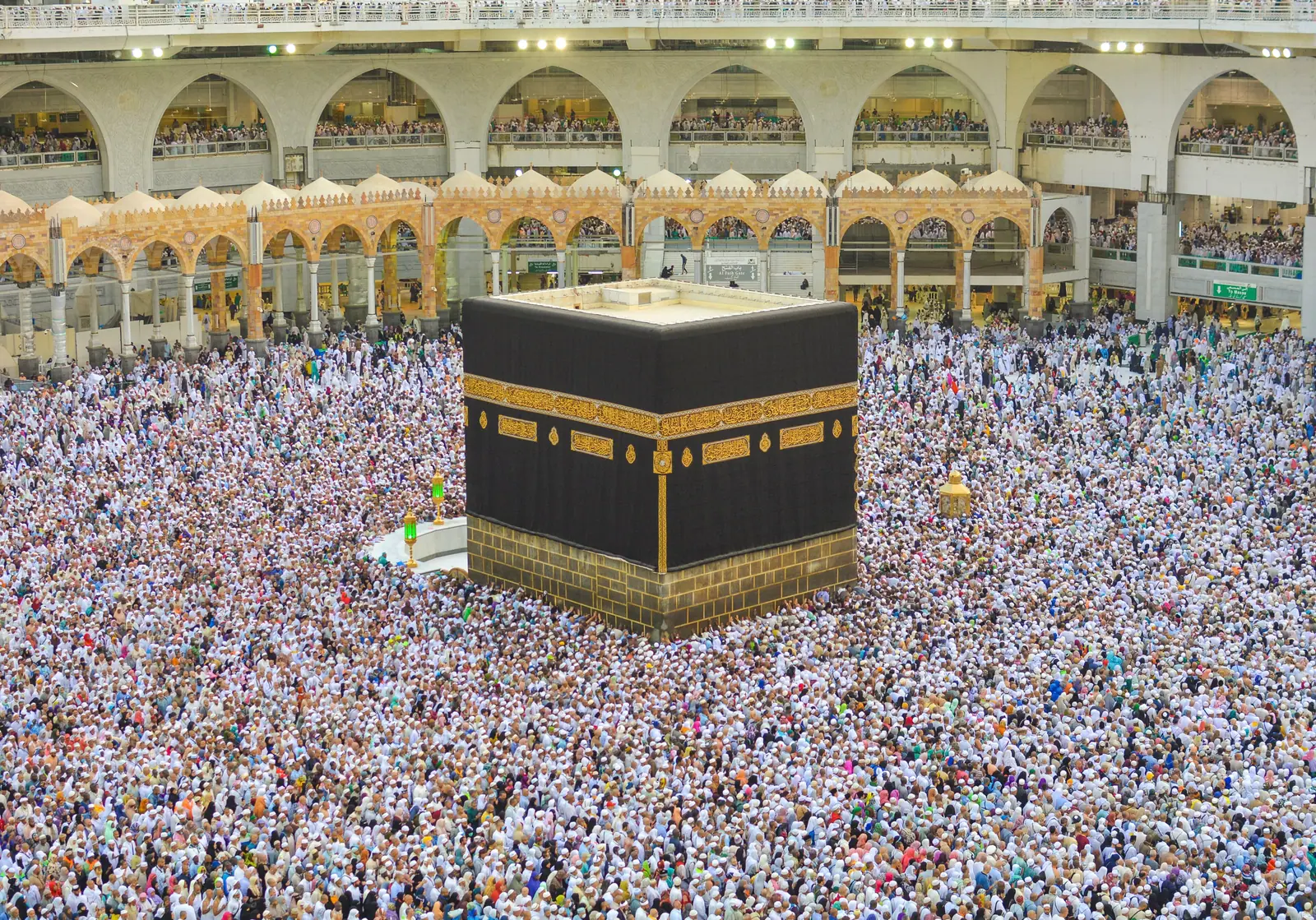
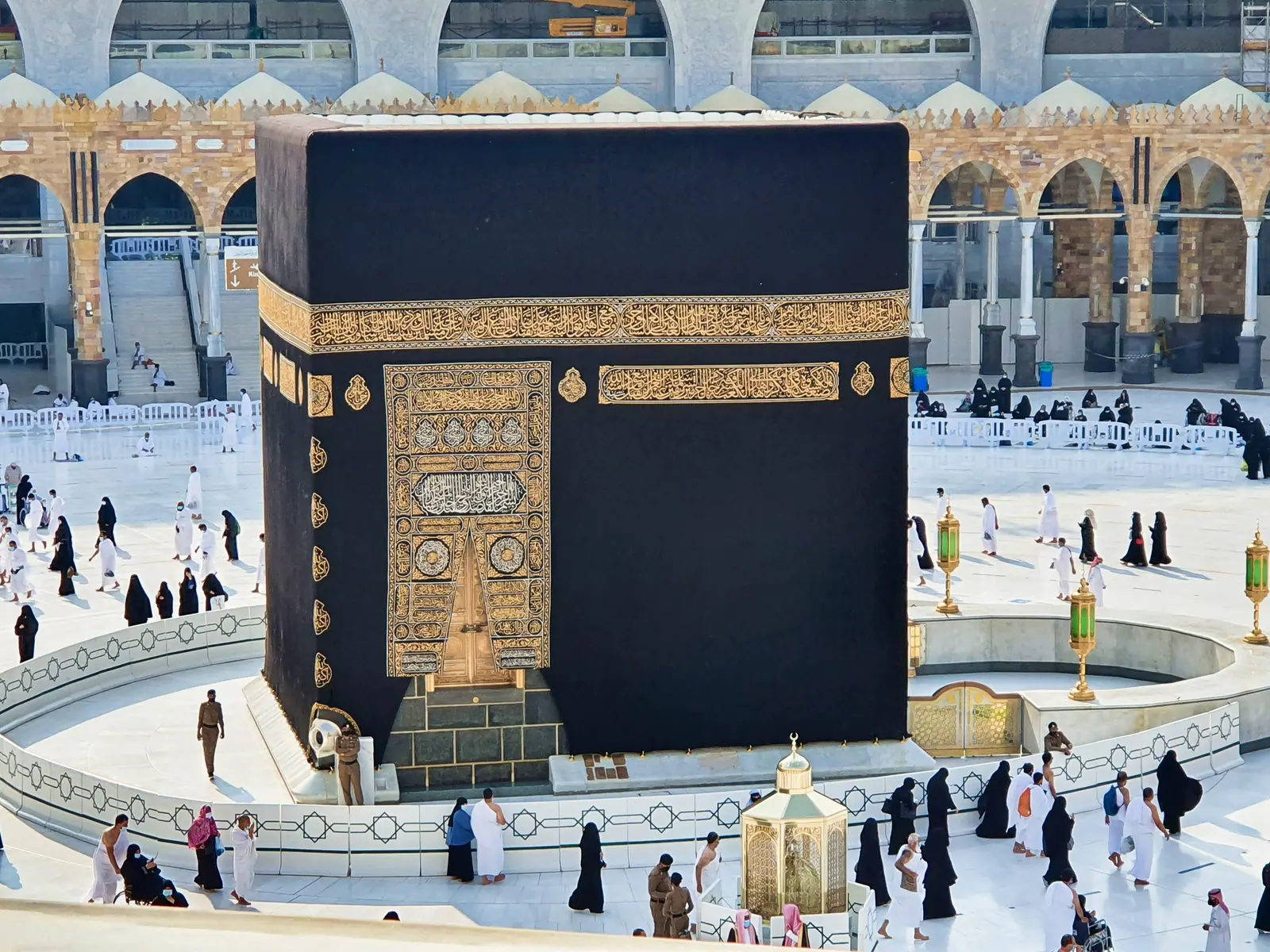
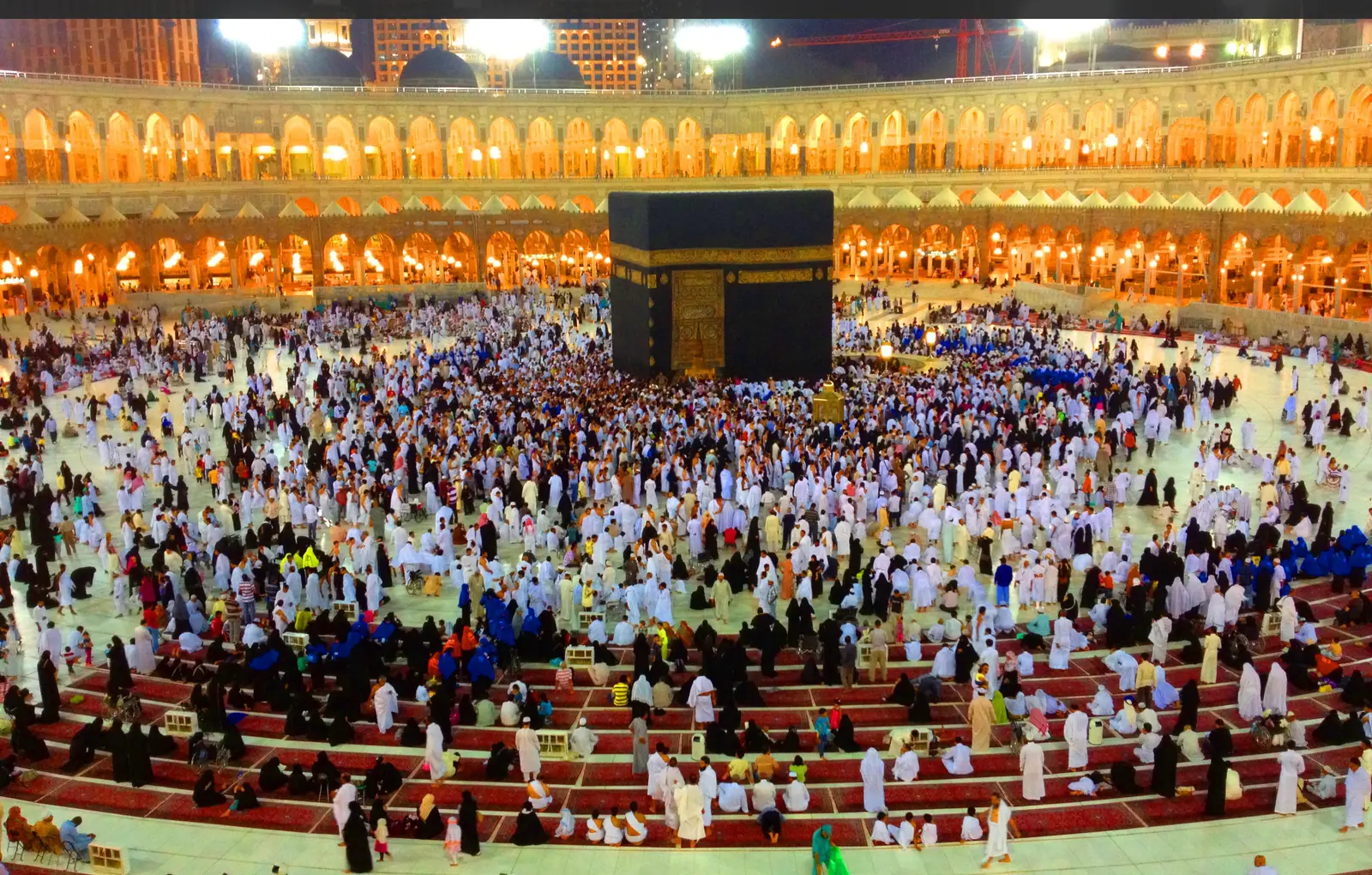
The Kaaba with its golden door, and the mataf around it
The Kaaba, Masjid al-Haram, MakkahPhoto: Richard Mortel, CC BY 2.0

Obligatory parts of Umrah: 2

  1. Entering ihram (intending Umrah and saying the talbiyah)ইহরাম বাঁধা (ওমরার নিয়ত করে তালবিয়া পড়া)
  2. Tawaf of the Kaabah, seven roundsকাবা শরিফের তাওয়াফ (সাত চক্কর)

Wajib parts of Umrah: 2

  1. Sa'i between Safa and Marwah, seven timesসাফা ও মারওয়ার মাঝে সাঈ (সাতবার)
  2. Shaving or shortening the hairমাথা মুণ্ডন বা চুল ছোট করা

Missing a wajib requires a dam, the sacrifice of an animal.

Umrah, step by step

  1. Step 1

    Ihram from the miqat

    Trim nails, clean up and take a bath. Men wear two unstitched white sheets; women wear their normal modest clothing. Before crossing the miqat, make the intention for Umrah and begin the talbiyah. If flying, be ready before the miqat is announced.

    • Sunnah at this step
    • Taking a bath before entering ihram.Jami at-Tirmidhi 830
    • Men reciting the talbiyah aloud.Sunan Abi Dawud 1814

    The travel prayer

    Sahih Muslim 1342

    When: When setting out on a journey, after boarding. Say 'Allahu akbar' three times first.

    سُبْحَانَ الَّذِي سَخَّرَ لَنَا هَذَا وَمَا كُنَّا لَهُ مُقْرِنِينَ وَإِنَّا إِلَى رَبِّنَا لَمُنْقَلِبُونَ اللَّهُمَّ إِنَّا نَسْأَلُكَ فِي سَفَرِنَا هَذَا الْبِرَّ وَالتَّقْوَى وَمِنَ الْعَمَلِ مَا تَرْضَى اللَّهُمَّ هَوِّنْ عَلَيْنَا سَفَرَنَا هَذَا وَاطْوِ عَنَّا بُعْدَهُ اللَّهُمَّ أَنْتَ الصَّاحِبُ فِي السَّفَرِ وَالْخَلِيفَةُ فِي الأَهْلِ اللَّهُمَّ إِنِّي أَعُوذُ بِكَ مِنْ وَعْثَاءِ السَّفَرِ وَكَآبَةِ الْمَنْظَرِ وَسُوءِ الْمُنْقَلَبِ فِي الْمَالِ وَالأَهْلِ

    Pronunciation: সুবহানাল্লাযী সাখখারা লানা হাযা, ওয়া মা কুন্না লাহু মুকরিনীন, ওয়া ইন্না ইলা রব্বিনা লামুনকালিবূন। আল্লাহুম্মা ইন্না নাসআলুকা ফী সাফারিনা হাযাল বির্রা ওয়াত তাকওয়া, ওয়া মিনাল 'আমালি মা তারদা। আল্লাহুম্মা হাওয়্যিন 'আলাইনা সাফারানা হাযা, ওয়াতওয়ি 'আন্না বু'দাহ। আল্লাহুম্মা আনতাস সাহিবু ফিস সাফারি ওয়াল খালীফাতু ফিল আহল। আল্লাহুম্মা ইন্নী আ'ঊযু বিকা মিন ওয়া'সাইস সাফারি ওয়া কাআবাতিল মানযারি ওয়া সূইল মুনকালাবি ফিল মালি ওয়াল আহল।

    Glory to Him who has made this serve us, though we could not have done so ourselves, and to our Lord we will surely return. O Allah, we ask You on this journey for righteousness and mindfulness of You, and for deeds that please You. O Allah, make this journey easy for us and fold up its distance. O Allah, You are the Companion on the journey and the One who looks after the family. O Allah, I seek refuge in You from the hardship of travel, from distressing sights, and from returning to find harm in wealth or family.

    পবিত্র তিনি, যিনি এটিকে আমাদের বশীভূত করে দিয়েছেন, অথচ আমরা একে বশ করতে সক্ষম ছিলাম না। আর নিশ্চয়ই আমরা আমাদের প্রতিপালকের কাছেই ফিরে যাব। হে আল্লাহ, আমরা এই সফরে তোমার কাছে পুণ্য ও তাকওয়া চাই, আর এমন কাজ চাই যাতে তুমি সন্তুষ্ট হও। হে আল্লাহ, আমাদের এই সফর সহজ করে দাও, এর দূরত্ব আমাদের জন্য কমিয়ে দাও। হে আল্লাহ, তুমিই সফরের সঙ্গী এবং (আমাদের অনুপস্থিতিতে) পরিবারের তত্ত্বাবধায়ক। হে আল্লাহ, আমি তোমার কাছে আশ্রয় চাই সফরের কষ্ট থেকে, দুঃখজনক দৃশ্য থেকে, আর ফিরে এসে সম্পদ ও পরিবারে মন্দ অবস্থা দেখা থেকে।

    Talbiyah

    Sahih al-Bukhari 1549

    When: Repeat from entering ihram onward, men aloud and women quietly: until tawaf begins for Umrah, and until stoning Jamrat al-Aqabah on 10 Dhul Hijjah for Hajj.

    لَبَّيْكَ اللَّهُمَّ لَبَّيْكَ، لَبَّيْكَ لاَ شَرِيكَ لَكَ لَبَّيْكَ، إِنَّ الْحَمْدَ وَالنِّعْمَةَ لَكَ وَالْمُلْكَ، لاَ شَرِيكَ لَكَ

    Pronunciation: লাব্বাইকা আল্লাহুম্মা লাব্বাইক, লাব্বাইকা লা শারীকা লাকা লাব্বাইক, ইন্নাল হামদা ওয়ান নি'মাতা লাকা ওয়াল মুলক, লা শারীকা লাক।

    Here I am, O Allah, here I am. Here I am, You have no partner, here I am. All praise and all blessing are Yours, and the dominion. You have no partner.

    আমি হাজির, হে আল্লাহ, আমি হাজির। আমি হাজির, তোমার কোনো শরিক নেই, আমি হাজির। নিশ্চয়ই সমস্ত প্রশংসা আর সমস্ত নিয়ামত তোমারই, রাজত্বও তোমার। তোমার কোনো শরিক নেই।

    Confirm with your scholar exactly when the talbiyah ends according to your madhhab.

    The months and manners of Hajj

    Surah Al-Baqarah, 2:197

    ٱلْحَجُّ أَشْهُرٌ مَّعْلُومَٰتٌ ۚ فَمَن فَرَضَ فِيهِنَّ ٱلْحَجَّ فَلَا رَفَثَ وَلَا فُسُوقَ وَلَا جِدَالَ فِى ٱلْحَجِّ ۗ وَمَا تَفْعَلُوا۟ مِنْ خَيْرٍ يَعْلَمْهُ ٱللَّهُ ۗ وَتَزَوَّدُوا۟ فَإِنَّ خَيْرَ ٱلزَّادِ ٱلتَّقْوَىٰ ۚ وَٱتَّقُونِ يَٰٓأُو۟لِى ٱلْأَلْبَٰبِ ۝١٩٧

    Pronunciation: আল-হাজ্জু আশহুরুম মা'লূমাত, ফামান ফারাদা ফীহিন্নাল হাজ্জা ফালা রাফাসা ওয়ালা ফুসূকা ওয়ালা জিদালা ফিল হাজ্জ, ওয়ামা তাফ'আলূ মিন খাইরিই ইয়া'লামহুল্লাহ, ওয়াতাযাওয়াদূ ফাইন্না খাইরায যাদিত তাকওয়া, ওয়াত্তাকূনি ইয়া উলিল আলবাব।

    Hajj is in the well-known months. Whoever undertakes Hajj in them, let there be no intimacy, no wrongdoing and no quarrelling during Hajj. Whatever good you do, Allah knows it. Take provision, and the best provision is God-consciousness. So be mindful of Me, you who have understanding.

    হজের মাসগুলো সুপরিচিত। যে ব্যক্তি এ মাসগুলোতে নিজের ওপর হজ অবধারিত করে নেয়, তার জন্য হজের সময় স্ত্রী-সম্ভোগ, পাপাচার ও ঝগড়া-বিবাদ নেই। তোমরা যে ভালো কাজই করো, আল্লাহ তা জানেন। আর পাথেয় সঙ্গে নাও; নিশ্চয়ই সবচেয়ে উত্তম পাথেয় তাকওয়া। হে বুদ্ধিমানেরা, আমাকে ভয় করো।

  2. Tawaf around the Kaaba at night, with the Sacred Mosque lit up
    Tawaf at night, Masjid al-HaramPhoto: Basheer Olakara, CC BY 2.0, cropped
    Step 2

    The Sacred Mosque and tawaf

    Enter the mosque with the right foot, saying the dua. Starting at the Black Stone, walk seven rounds with the Kaabah on your left. Each round, point to the Black Stone and say the takbir, and say 'Rabbana atina...' between the Yemeni Corner and the Black Stone. At other times, make any dua in your own words.

    • Sunnah at this step
    • Idtiba for men in the Umrah tawaf: the upper cloth under the right arm and over the left shoulder, leaving the right shoulder bare.Sunan Abi Dawud 1889
    • Ramal for men: brisk, short steps in the first three rounds of tawaf, walking normally in the remaining four.Sahih al-Bukhari 1603
    • Kissing or touching the Black Stone; in a crowd, pointing to it from a distance and saying 'Allahu akbar'.Sahih al-Bukhari 1597, 1613
    • Saying 'Rabbana atina...' between the Yemeni Corner and the Black Stone.Sunan Abi Dawud 1892

    Entering the mosque

    Sahih Muslim 713

    When: On entering the Sacred Mosque, the Prophet's Mosque or any mosque.

    اللَّهُمَّ افْتَحْ لِي أَبْوَابَ رَحْمَتِكَ

    Pronunciation: আল্লাহুম্মাফতাহ লী আবওয়াবা রহমাতিক।

    O Allah, open for me the doors of Your mercy.

    হে আল্লাহ, আমার জন্য তোমার রহমতের দরজাগুলো খুলে দাও।

    Between the Yemeni Corner and the Black Stone

    Sunan Abi Dawud 1892

    When: In every round of tawaf, while walking from the Yemeni Corner to the Black Stone.

    رَبَّنَا آتِنَا فِي الدُّنْيَا حَسَنَةً وَفِي الآخِرَةِ حَسَنَةً وَقِنَا عَذَابَ النَّارِ

    Pronunciation: রব্বানা আতিনা ফিদ দুনইয়া হাসানাহ, ওয়া ফিল আখিরাতি হাসানাহ, ওয়া কিনা 'আযাবান নার।

    Our Lord, give us good in this world and good in the Hereafter, and protect us from the punishment of the Fire.

    হে আমাদের প্রতিপালক, আমাদের দুনিয়াতে কল্যাণ দাও, আখিরাতেও কল্যাণ দাও, আর আমাদের আগুনের শাস্তি থেকে রক্ষা করো।

    These words are also part of Surah Al-Baqarah, ayah 201.

    Takbir

    Sunan Abi Dawud 730

    When: At the opening of prayer and at every movement into and out of bowing and prostration. Also said when pointing to the Black Stone during tawaf, and with every pebble at the Jamarat.

    اللَّهُ أَكْبَرُ

    Pronunciation: আল্লা-হু আকবার।

    Allah is the Greatest.

    আল্লাহ সবচেয়ে বড়।

  3. Step 3

    Two rak'ahs at Maqam Ibrahim and Zamzam

    After tawaf, pray two rak'ahs behind Maqam Ibrahim if possible, otherwise anywhere in the mosque. Then drink Zamzam water.

    • Sunnah at this step
    • Two rak'ahs behind Maqam Ibrahim after tawaf, reciting Surah Al-Kafirun and Surah Al-Ikhlas.Sahih Muslim 1218; Al-Baqarah 125
    • Drinking Zamzam water after tawaf.Sahih al-Bukhari 1637

    Surah Al-Kafirun

    Surah Al-Kafirun, 109:1–6

    When: Recited with Surah Al-Ikhlas in the two rak'ahs after tawaf, behind Maqam Ibrahim.

    بِسْمِ ٱللَّهِ ٱلرَّحْمَٰنِ ٱلرَّحِيمِ

    Bismillahir Rahmanir Rahim
    1. قُلْ يَٰٓأَيُّهَا ٱلْكَٰفِرُونَ ۝١

      1কুল ইয়া আইয়্যুহাল কাফিরূন।

      Say: O you who disbelieve,

      বলো: হে অবিশ্বাসীরা,

    2. لَآ أَعْبُدُ مَا تَعْبُدُونَ ۝٢

      2লা আ'বুদু মা তা'বুদূন।

      I do not worship what you worship,

      আমি তার ইবাদত করি না, যার ইবাদত তোমরা করো,

    3. وَلَآ أَنتُمْ عَٰبِدُونَ مَآ أَعْبُدُ ۝٣

      3ওয়ালা আনতুম 'আবিদূনা মা আ'বুদ।

      nor do you worship what I worship.

      আর তোমরাও তাঁর ইবাদতকারী নও, যাঁর ইবাদত আমি করি।

    4. وَلَآ أَنَا۠ عَابِدٌ مَّا عَبَدتُّمْ ۝٤

      4ওয়ালা আনা 'আবিদুম মা 'আবাদতুম।

      I will never worship what you have worshipped,

      আর আমি তার ইবাদতকারী হবো না, যার ইবাদত তোমরা করে আসছ,

    5. وَلَآ أَنتُمْ عَٰبِدُونَ مَآ أَعْبُدُ ۝٥

      5ওয়ালা আনতুম 'আবিদূনা মা আ'বুদ।

      nor will you worship what I worship.

      আর তোমরাও তাঁর ইবাদতকারী হবে না, যাঁর ইবাদত আমি করি।

    6. لَكُمْ دِينُكُمْ وَلِىَ دِينِ ۝٦

      6লাকুম দীনুকুম ওয়ালিয়া দীন।

      To you your religion, and to me mine.

      তোমাদের দ্বীন তোমাদের জন্য, আর আমার দ্বীন আমার জন্য।

    Surah Al-Ikhlas

    Surah Al-Ikhlas, 112:1–4

    When: Recited with Surah Al-Kafirun in the two rak'ahs after tawaf, behind Maqam Ibrahim.

    بِسْمِ ٱللَّهِ ٱلرَّحْمَٰنِ ٱلرَّحِيمِ

    Bismillahir Rahmanir Rahim
    1. قُلْ هُوَ ٱللَّهُ أَحَدٌ ۝١

      1কুল হুওয়াল্লাহু আহাদ।

      Say: He is Allah, the One.

      বলো: তিনি আল্লাহ, এক ও অদ্বিতীয়।

    2. ٱللَّهُ ٱلصَّمَدُ ۝٢

      2আল্লাহুস সামাদ।

      Allah, the Self-Sufficient, on whom all depend.

      আল্লাহ কারও মুখাপেক্ষী নন, সবাই তাঁর মুখাপেক্ষী।

    3. لَمْ يَلِدْ وَلَمْ يُولَدْ ۝٣

      3লাম ইয়ালিদ ওয়া লাম ইউলাদ।

      He neither begets nor was He begotten,

      তিনি কাউকে জন্ম দেননি, আর তাঁকেও কেউ জন্ম দেয়নি।

    4. وَلَمْ يَكُن لَّهُۥ كُفُوًا أَحَدٌۢ ۝٤

      4ওয়া লাম ইয়াকুল্লাহূ কুফুওয়ান আহাদ।

      and there is none comparable to Him.

      আর তাঁর সমতুল্য কেউ নেই।

    At Maqam Ibrahim

    Sahih Muslim 1218

    When: While walking to Maqam Ibrahim after tawaf, before praying two rak'ahs there.

    وَاتَّخِذُوا مِنْ مَقَامِ إِبْرَاهِيمَ مُصَلًّى

    Pronunciation: ওয়াত্তাখিযূ মিম মাকা-মি ইবরা-হীমা মুসাল্লা।

    And take the station of Ibrahim as a place of prayer.

    আর তোমরা মাকামে ইবরাহিমকে নামাজের স্থান বানাও।

    Part of Al-Baqarah 2:125; Jabir narrates that the Prophet recited it after tawaf as he went to Maqam Ibrahim.

    Zamzam water

    Sunan Ibn Majah 3062

    When: When drinking Zamzam: face the qiblah, say Bismillah, drink in three breaths, and ask Allah for what you need.

    مَاءُ زَمْزَمَ لِمَا شُرِبَ لَهُ

    Pronunciation: মা-উ যামযামা লিমা শুরিবা লাহ্‌।

    Zamzam water is for whatever it is drunk for.

    জমজমের পানি সেই উদ্দেশ্যেই, যে উদ্দেশ্যে তা পান করা হয়।

    Scholars of hadith have discussed its chain; many graded it hasan or sahih.

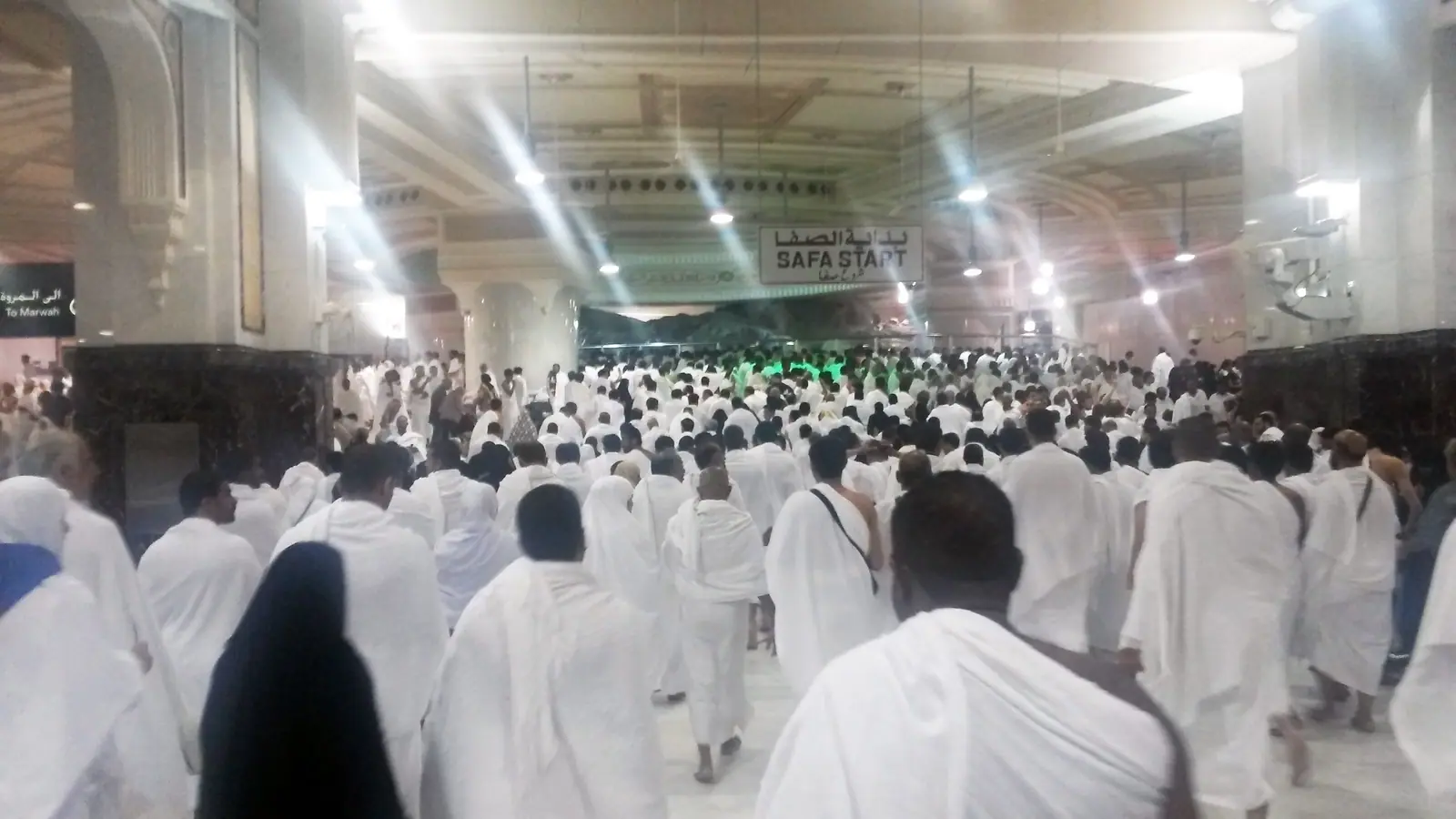
  4. Pilgrims in ihram walking between Safa and Marwah
    Sa'i between Safa and Marwah, Masjid al-HaramPhoto: مانفی, CC BY-SA 4.0
    Step 4

    Sa'i between Safa and Marwah

    Walk seven times between Safa and Marwah, starting at Safa and ending at Marwah: Safa to Marwah is one, back is two. Men walk a little faster between the green lights.

    • Sunnah at this step
    • Starting sa'i at Safa, and on Safa and Marwah facing the Kaabah to declare Allah's oneness and make dua.Sahih Muslim 1218

    Safa and Marwah

    Surah Al-Baqarah, 2:158

    When: Recited on reaching Safa, before starting sa'i.

    ۞ إِنَّ ٱلصَّفَا وَٱلْمَرْوَةَ مِن شَعَآئِرِ ٱللَّهِ ۖ فَمَنْ حَجَّ ٱلْبَيْتَ أَوِ ٱعْتَمَرَ فَلَا جُنَاحَ عَلَيْهِ أَن يَطَّوَّفَ بِهِمَا ۚ وَمَن تَطَوَّعَ خَيْرًا فَإِنَّ ٱللَّهَ شَاكِرٌ عَلِيمٌ ۝١٥٨

    Pronunciation: ইন্নাস সাফা ওয়াল মারওয়াতা মিন শা'আইরিল্লাহ, ফামান হাজ্জাল বাইতা আওয়ি'তামারা ফালা জুনাহা 'আলাইহি আইঁ ইয়াত্তাওয়াফা বিহিমা, ওয়া মান তাতাওয়া'আ খাইরান ফাইন্নাল্লাহা শাকিরুন 'আলীম।

    Safa and Marwah are among the symbols of Allah. So whoever performs Hajj or Umrah to the House is not at fault for going back and forth between them. Whoever does good of their own accord, Allah appreciates it and knows it.

    নিশ্চয়ই সাফা ও মারওয়া আল্লাহর নিদর্শনগুলোর অন্তর্ভুক্ত। তাই যে ব্যক্তি এই ঘরের হজ বা ওমরা করে, তার জন্য এ দুটির মাঝে যাতায়াত (সাঈ) করায় কোনো দোষ নেই। আর যে স্বেচ্ছায় কোনো ভালো কাজ করে, আল্লাহ তার কদর করেন, তিনি সব জানেন।

    Beginning sa'i

    Sahih Muslim 1218

    When: On reaching Safa, after reciting Surah Al-Baqarah 158.

    أَبْدَأُ بِمَا بَدَأَ اللَّهُ بِهِ

    Pronunciation: আবদাউ বিমা বাদাআল্লাহু বিহ।

    I begin with what Allah began with.

    আল্লাহ যা দিয়ে শুরু করেছেন, আমি তা দিয়েই শুরু করছি।

    On Safa and Marwah

    Sahih Muslim 1218

    When: On Safa and Marwah, facing the Kaabah: say it three times, making your own dua in between.

    لاَ إِلَهَ إِلاَّ اللَّهُ وَحْدَهُ لاَ شَرِيكَ لَهُ لَهُ الْمُلْكُ وَلَهُ الْحَمْدُ وَهُوَ عَلَى كُلِّ شَىْءٍ قَدِيرٌ لاَ إِلَهَ إِلاَّ اللَّهُ وَحْدَهُ أَنْجَزَ وَعْدَهُ وَنَصَرَ عَبْدَهُ وَهَزَمَ الأَحْزَابَ وَحْدَهُ

    Pronunciation: লা ইলাহা ইল্লাল্লাহু ওয়াহদাহু লা শারীকা লাহু, লাহুল মুলকু ওয়া লাহুল হামদু, ওয়া হুয়া 'আলা কুল্লি শাইয়িন কাদীর। লা ইলাহা ইল্লাল্লাহু ওয়াহদাহু, আনজাযা ওয়া'দাহু, ওয়া নাসারা 'আবদাহু, ওয়া হাযামাল আহযাবা ওয়াহদাহ।

    There is no god but Allah alone, without partner. His is the dominion and His the praise, and He has power over all things. There is no god but Allah alone. He fulfilled His promise, gave victory to His servant, and alone defeated the confederates.

    আল্লাহ ছাড়া কোনো ইলাহ নেই, তিনি এক, তাঁর কোনো শরিক নেই। রাজত্ব তাঁরই, প্রশংসাও তাঁরই, আর তিনি সবকিছুর ওপর ক্ষমতাবান। আল্লাহ ছাড়া কোনো ইলাহ নেই, তিনি এক। তিনি তাঁর প্রতিশ্রুতি পূর্ণ করেছেন, তাঁর বান্দাকে সাহায্য করেছেন, আর একাই শত্রুবাহিনীকে পরাজিত করেছেন।

  5. Step 5

    Shaving or shortening the hair

    Men shave the head or shorten the hair all over; women cut about a fingertip's length from the ends. This completes the Umrah and lifts the restrictions of ihram.

    Complete the Hajj and Umrah

    Surah Al-Baqarah, 2:196

    وَأَتِمُّوا۟ ٱلْحَجَّ وَٱلْعُمْرَةَ لِلَّهِ ۚ فَإِنْ أُحْصِرْتُمْ فَمَا ٱسْتَيْسَرَ مِنَ ٱلْهَدْىِ ۖ وَلَا تَحْلِقُوا۟ رُءُوسَكُمْ حَتَّىٰ يَبْلُغَ ٱلْهَدْىُ مَحِلَّهُۥ ۚ فَمَن كَانَ مِنكُم مَّرِيضًا أَوْ بِهِۦٓ أَذًى مِّن رَّأْسِهِۦ فَفِدْيَةٌ مِّن صِيَامٍ أَوْ صَدَقَةٍ أَوْ نُسُكٍ ۚ فَإِذَآ أَمِنتُمْ فَمَن تَمَتَّعَ بِٱلْعُمْرَةِ إِلَى ٱلْحَجِّ فَمَا ٱسْتَيْسَرَ مِنَ ٱلْهَدْىِ ۚ فَمَن لَّمْ يَجِدْ فَصِيَامُ ثَلَٰثَةِ أَيَّامٍ فِى ٱلْحَجِّ وَسَبْعَةٍ إِذَا رَجَعْتُمْ ۗ تِلْكَ عَشَرَةٌ كَامِلَةٌ ۗ ذَٰلِكَ لِمَن لَّمْ يَكُنْ أَهْلُهُۥ حَاضِرِى ٱلْمَسْجِدِ ٱلْحَرَامِ ۚ وَٱتَّقُوا۟ ٱللَّهَ وَٱعْلَمُوٓا۟ أَنَّ ٱللَّهَ شَدِيدُ ٱلْعِقَابِ ۝١٩٦

    Pronunciation: ওয়া আতিম্মুল হাজ্জা ওয়াল 'উমরাতা লিল্লাহ, ফাইন উহসিরতুম ফামাসতাইসারা মিনাল হাদয়ি, ওয়ালা তাহলিকূ রু'ঊসাকুম হাত্তা ইয়াবলুগাল হাদয়ু মাহিল্লাহ, ফামান কানা মিনকুম মারীদান আও বিহী আযাম মির রা'সিহী ফাফিদইয়াতুম মিন সিয়ামিন আও সাদাকাতিন আও নুসুক, ফাইযা আমিনতুম ফামান তামাত্তা'আ বিল 'উমরাতি ইলাল হাজ্জি ফামাসতাইসারা মিনাল হাদয়ি, ফামাল লাম ইয়াজিদ ফাসিয়ামু সালাসাতি আইয়্যামিন ফিল হাজ্জি ওয়া সাব'আতিন ইযা রাজা'তুম, তিলকা 'আশারাতুন কামিলাহ, যালিকা লিমাল লাম ইয়াকুন আহলুহূ হাদিরিল মাসজিদিল হারাম, ওয়াত্তাকুল্লাহা ওয়া'লামূ আন্নাল্লাহা শাদীদুল 'ইকাব।

    Complete the Hajj and Umrah for Allah. If you are prevented, then offer whatever sacrifice is available, and do not shave your heads until the sacrifice reaches its place. Whoever among you is ill or has an ailment of the scalp must compensate by fasting, charity or a sacrifice. When you are safe, whoever benefits by combining Umrah with Hajj must offer whatever sacrifice is available; whoever cannot find one must fast three days during Hajj and seven when you return, ten in all. This is for those whose families do not live near the Sacred Mosque. Be mindful of Allah, and know that Allah is severe in punishment.

    আর আল্লাহর জন্য হজ ও ওমরা পূর্ণ করো। যদি তোমরা বাধাপ্রাপ্ত হও, তবে যে কুরবানির পশু সহজলভ্য তা (পাঠাও), আর কুরবানির পশু তার জায়গায় না পৌঁছানো পর্যন্ত মাথা মুণ্ডন করো না। তোমাদের মধ্যে কেউ অসুস্থ হলে বা মাথায় কষ্ট থাকলে, সে রোজা, সদকা বা কুরবানির মাধ্যমে ফিদইয়া দেবে। আর যখন তোমরা নিরাপদ থাকো, তখন যে ব্যক্তি ওমরা করে হজ পর্যন্ত উপকৃত হয় (তামাত্তু), সে যে কুরবানির পশু সহজলভ্য তা দেবে। যে তা পায় না, সে হজের সময় তিন দিন এবং ঘরে ফিরে সাত দিন রোজা রাখবে, এই পূর্ণ দশ দিন। এই বিধান তার জন্য, যার পরিবার মসজিদুল হারামের কাছে বাস করে না। আল্লাহকে ভয় করো, আর জেনে রাখো, আল্লাহ শাস্তিদানে কঠোর।

    The Prophet's dua for those who shave

    Sahih al-Bukhari 1727

    اللَّهُمَّ ارْحَمِ الْمُحَلِّقِينَ

    Pronunciation: আল্লা-হুম্মারহামিল মুহাল্লিকীন।

    O Allah, have mercy on those who shave their heads.

    হে আল্লাহ, যারা মাথা মুণ্ডন করেছে তাদের প্রতি রহম করো।

    The Prophet said this more than once and then prayed for those who shorten their hair as well: shaving is better for men, and shortening is enough.

What ihram forbids

  • For men: clothes cut and sewn to the body's shape (shirts, trousers, vests, socks)পুরুষের জন্য শরীরের মাপে সেলাই করা পোশাক (জামা, পায়জামা, গেঞ্জি, মোজা) পরা
  • For men, covering the head or face; for women, covering the face with cloth that touches itপুরুষের মাথা ও মুখ ঢাকা; নারীর মুখে লেগে থাকে এমন কাপড়ে মুখ ঢাকা
  • For men, footwear that covers the raised bone on top of the footপুরুষের এমন জুতা পরা, যা পায়ের পাতার ওপরের মাঝখানের উঁচু হাড় ঢেকে দেয়
  • Using perfume on the body, clothes or foodশরীর, কাপড় বা খাবারে সুগন্ধি ব্যবহার করা
  • Cutting or plucking hair from the head, beard or body, and cutting the nailsচুল, দাড়ি বা শরীরের লোম কাটা বা ওপড়ানো, আর নখ কাটা
  • Hunting land animals, or helping someone huntস্থলের প্রাণী শিকার করা বা শিকারে সাহায্য করা
  • Marital relations, and anything that leads to themস্বামী-স্ত্রীর মিলন ও এর দিকে নিয়ে যায় এমন কাজ বা কথা
  • Quarrelling, obscene talk and sinঝগড়া, অশ্লীল কথা ও গুনাহের কাজ

If a rule of ihram is broken by mistake or out of need, ask your group's scholar what is owed (a dam or charity).

Chapter 6

Hajj

The kinds of Hajj, what is fard, wajib and sunnah, and what to do and say from the 8th to the 13th of Dhul Hijjah.

Read this chapter on its own page
Pilgrims circling the Kaaba during Hajj
Masjid al-Haram during Hajj, MakkahPhoto: Adli Wahid, CC BY-SA 4.0

The three kinds of Hajj

  • Ifrad: ihram for Hajj alone; no sacrifice is required.ইফরাদ: শুধু হজের ইহরাম; এতে কোরবানি ওয়াজিব নয়।
  • Qiran: Umrah and Hajj in one ihram, kept until the Hajj is done; a sacrifice is required.কিরান: একই ইহরামে ওমরা ও হজ; হজ শেষ না হওয়া পর্যন্ত ইহরাম থাকে; কোরবানি ওয়াজিব।
  • Tamattu: Umrah first in the Hajj months, leaving ihram, then a new ihram for Hajj on the 8th; a sacrifice is required. Most pilgrims from Bangladesh perform tamattu.তামাত্তু: হজের মাসে আগে ওমরা করে ইহরাম খুলে ফেলা, তারপর ৮ জিলহজ নতুন করে হজের ইহরাম; কোরবানি ওয়াজিব। বাংলাদেশ থেকে যাওয়া বেশিরভাগ হাজি তামাত্তু করেন।

Obligatory parts of Hajj: 3

  1. Entering ihram (intending Hajj and saying the talbiyah)ইহরাম বাঁধা (হজের নিয়ত করে তালবিয়া পড়া)
  2. Standing at Arafah for some time between midday on the 9th and true dawn on the 10th৯ জিলহজ সূর্য হেলে পড়ার পর থেকে ১০ জিলহজের সুবহে সাদিকের আগে কিছু সময় আরাফায় অবস্থান
  3. Tawaf al-Ziyarah (between the 10th and the 12th)তাওয়াফে জিয়ারত (১০ থেকে ১২ জিলহজের মধ্যে)

If any of these is missed, the Hajj is not valid.

Wajib parts of Hajj: 6

  1. Staying at Muzdalifah (some time between true dawn and sunrise on the 10th)মুজদালিফায় অবস্থান (১০ জিলহজ সুবহে সাদিক থেকে সূর্যোদয়ের আগ পর্যন্ত কিছু সময়)
  2. Sa'i between Safa and Marwahসাফা ও মারওয়ার মাঝে সাঈ
  3. Stoning the Jamaratজামারাতে কংকর মারা
  4. The sacrifice, for those performing qiran or tamattuকিরান ও তামাত্তু হাজিদের জন্য কোরবানি (দমে শোকর)
  5. Shaving or shortening the hairমাথা মুণ্ডন বা চুল ছোট করা
  6. The farewell tawaf, for pilgrims from outside the miqatমিকাতের বাইরে থেকে আসা হাজিদের জন্য বিদায়ী তাওয়াফ

Missing a wajib requires a dam, the sacrifice of an animal. Some books list a few more separately, such as entering ihram at the miqat, staying at Arafah until sunset, and keeping the order of the rites on the 10th.

Main sunnah acts of Hajj

  • Tawaf al-Qudum on arrival in Makkah, for those performing ifrad or qiranইফরাদ ও কিরান হাজিদের জন্য মক্কায় পৌঁছে তাওয়াফে কুদুম
  • Praying the five prayers in Mina from Dhuhr on the 8th to Fajr on the 9th৮ জিলহজ যোহর থেকে ৯ জিলহজ ফজর পর্যন্ত মিনায় পাঁচ ওয়াক্ত নামাজ
  • Leaving Mina for Arafah after sunrise on the 9th৯ জিলহজ সূর্যোদয়ের পর মিনা থেকে আরাফায় যাওয়া
  • Spending the nights of the stoning days in Minaকংকর মারার দিনগুলোর রাত মিনায় কাটানো
  • Saying the talbiyah often, and stopping it with the first pebble on the 10thবেশি বেশি তালবিয়া পড়া, আর ১০ জিলহজ প্রথম কংকর মারার সময় তালবিয়া বন্ধ করা

Hajj, day by day

  1. Pilgrims in white ihram walking to Mina
    8 Dhul Hijjah, pilgrims on the way to MinaPhoto: Omar Chatriwala / Al Jazeera English, CC BY-SA 2.0
    8 Dhul Hijjah

    Ihram for Hajj and Mina

    Enter ihram for Hajj from where you are staying in Makkah and go to Mina with the talbiyah. Pray Dhuhr, Asr, Maghrib, Isha and the next Fajr there.

    • Sunnah at this step
    • Going to Mina on 8 Dhul Hijjah and praying there from Dhuhr until the next Fajr.Sahih Muslim 1218

    Talbiyah

    Sahih al-Bukhari 1549

    When: Repeat from entering ihram onward, men aloud and women quietly: until tawaf begins for Umrah, and until stoning Jamrat al-Aqabah on 10 Dhul Hijjah for Hajj.

    لَبَّيْكَ اللَّهُمَّ لَبَّيْكَ، لَبَّيْكَ لاَ شَرِيكَ لَكَ لَبَّيْكَ، إِنَّ الْحَمْدَ وَالنِّعْمَةَ لَكَ وَالْمُلْكَ، لاَ شَرِيكَ لَكَ

    Pronunciation: লাব্বাইকা আল্লাহুম্মা লাব্বাইক, লাব্বাইকা লা শারীকা লাকা লাব্বাইক, ইন্নাল হামদা ওয়ান নি'মাতা লাকা ওয়াল মুলক, লা শারীকা লাক।

    Here I am, O Allah, here I am. Here I am, You have no partner, here I am. All praise and all blessing are Yours, and the dominion. You have no partner.

    আমি হাজির, হে আল্লাহ, আমি হাজির। আমি হাজির, তোমার কোনো শরিক নেই, আমি হাজির। নিশ্চয়ই সমস্ত প্রশংসা আর সমস্ত নিয়ামত তোমারই, রাজত্বও তোমার। তোমার কোনো শরিক নেই।

    Confirm with your scholar exactly when the talbiyah ends according to your madhhab.

  2. Pilgrims on the rocky slopes of Jabal al-Rahmah
    Jabal al-Rahmah, ArafahPhoto: Edibiz, CC0
    9 Dhul Hijjah

    Arafah, then Muzdalifah

    After sunrise go to Arafah. Standing at Arafah is the heart of Hajj: until sunset, face the qiblah in dua, dhikr and seeking forgiveness. After sunset go to Muzdalifah, pray Maghrib and Isha together, spend the night, collect pebbles, and remember Allah after Fajr until the sky is bright.

    • Sunnah at this step
    • Making abundant dua and dhikr on the Day of Arafah.Jami at-Tirmidhi 3585

    The best dua of the Day of Arafah

    Jami at-Tirmidhi 3585

    When: On 9 Dhul Hijjah at Arafah, as often as you can. The Prophet said the best dua is the dua of the Day of Arafah.

    لاَ إِلَهَ إِلاَّ اللَّهُ وَحْدَهُ لاَ شَرِيكَ لَهُ لَهُ الْمُلْكُ وَلَهُ الْحَمْدُ وَهُوَ عَلَى كُلِّ شَيْءٍ قَدِيرٌ

    Pronunciation: লা ইলাহা ইল্লাল্লাহু ওয়াহদাহু লা শারীকা লাহু, লাহুল মুলকু ওয়া লাহুল হামদু, ওয়া হুয়া 'আলা কুল্লি শাইয়িন কাদীর।

    There is no god but Allah alone, without partner. His is the dominion and His the praise, and He has power over all things.

    আল্লাহ ছাড়া কোনো ইলাহ নেই, তিনি এক, তাঁর কোনো শরিক নেই। রাজত্ব তাঁরই, প্রশংসাও তাঁরই, আর তিনি সবকিছুর ওপর ক্ষমতাবান।

    At-Tirmidhi graded this chain hasan gharib; many scholars consider the hadith hasan due to supporting chains.

    Departing from Arafat

    Surah Al-Baqarah, 2:198–199
    1. لَيْسَ عَلَيْكُمْ جُنَاحٌ أَن تَبْتَغُوا۟ فَضْلًا مِّن رَّبِّكُمْ ۚ فَإِذَآ أَفَضْتُم مِّنْ عَرَفَٰتٍ فَٱذْكُرُوا۟ ٱللَّهَ عِندَ ٱلْمَشْعَرِ ٱلْحَرَامِ ۖ وَٱذْكُرُوهُ كَمَا هَدَىٰكُمْ وَإِن كُنتُم مِّن قَبْلِهِۦ لَمِنَ ٱلضَّآلِّينَ ۝١٩٨

      198লাইসা 'আলাইকুম জুনাহুন আন তাবতাগূ ফাদলাম মির রব্বিকুম, ফাইযা আফাদতুম মিন 'আরাফাতিন ফাযকুরুল্লাহা 'ইনদাল মাশ'আরিল হারাম, ওয়াযকুরূহু কামা হাদাকুম, ওয়া ইন কুনতুম মিন কাবলিহী লামিনাদ দোয়াল্লীন।

      There is no blame on you for seeking the bounty of your Lord. When you pour down from Arafat, remember Allah at the Sacred Monument; remember Him as He has guided you, though before this you were among those astray.

      তোমাদের প্রতিপালকের অনুগ্রহ খোঁজায় তোমাদের কোনো দোষ নেই। যখন তোমরা আরাফাত থেকে ফিরে আসো, তখন মাশআরুল হারামের কাছে আল্লাহকে স্মরণ করো। তাঁকে স্মরণ করো যেভাবে তিনি তোমাদের পথ দেখিয়েছেন, যদিও এর আগে তোমরা পথহারাদের মধ্যে ছিলে।

    2. ثُمَّ أَفِيضُوا۟ مِنْ حَيْثُ أَفَاضَ ٱلنَّاسُ وَٱسْتَغْفِرُوا۟ ٱللَّهَ ۚ إِنَّ ٱللَّهَ غَفُورٌ رَّحِيمٌ ۝١٩٩

      199সুম্মা আফীদূ মিন হাইসু আফাদান নাসু ওয়াসতাগফিরুল্লাহ, ইন্নাল্লাহা গাফূরুর রহীম।

      Then move on from where the people move on, and ask Allah's forgiveness. Allah is Forgiving, Merciful.

      তারপর তোমরা সেখান থেকে ফিরে চলো, যেখান থেকে অন্য লোকেরা ফিরে চলে, আর আল্লাহর কাছে ক্ষমা চাও। নিশ্চয়ই আল্লাহ ক্ষমাশীল, পরম দয়ালু।

  3. The Jamarat bridge below the hills, with pilgrims on the road
    The Jamarat, MinaPhoto: Aiman titi, CC BY-SA 4.0
    10 Dhul Hijjah

    Stoning, sacrifice, shaving and tawaf

    Throw seven pebbles at Jamrat al-Aqabah with a takbir for each. Those doing tamattu or qiran offer the sacrifice, then shave or shorten the hair, then go to Makkah for tawaf al-ifadah and sa'i. Confirm the order of these acts with your scholar according to your madhhab.

    • Sunnah at this step
    • Saying 'Allahu akbar' with each pebble, and after the first and second jamrah facing the qiblah with raised hands in long dua.Sahih al-Bukhari 1751

    The call to Hajj

    Surah Al-Hajj, 22:26–29
    1. وَإِذْ بَوَّأْنَا لِإِبْرَٰهِيمَ مَكَانَ ٱلْبَيْتِ أَن لَّا تُشْرِكْ بِى شَيْـًٔا وَطَهِّرْ بَيْتِىَ لِلطَّآئِفِينَ وَٱلْقَآئِمِينَ وَٱلرُّكَّعِ ٱلسُّجُودِ ۝٢٦

      26ওয়া ইয বাওওয়া'না লিইবরাহীমা মাকানাল বাইতি আল্লা তুশরিক বী শাইআওঁ ওয়া তাহহির বাইতিয়া লিত্তাইফীনা ওয়াল কাইমীনা ওয়ার রুক্কা'ইস সুজূদ।

      And when We showed Ibrahim the site of the House: 'Associate nothing with Me, and keep My House pure for those who circle it, who stand in prayer, and who bow and prostrate.'

      আর স্মরণ করো, যখন আমি ইবরাহিমকে এই ঘরের স্থান ঠিক করে দিয়েছিলাম (এবং বলেছিলাম): আমার সাথে কোনো কিছুকে শরিক করো না, আর আমার ঘরকে পবিত্র রাখো তাওয়াফকারী, (নামাজে) দাঁড়ানো এবং রুকু-সিজদাকারীদের জন্য।

    2. وَأَذِّن فِى ٱلنَّاسِ بِٱلْحَجِّ يَأْتُوكَ رِجَالًا وَعَلَىٰ كُلِّ ضَامِرٍ يَأْتِينَ مِن كُلِّ فَجٍّ عَمِيقٍ ۝٢٧

      27ওয়া আযযিন ফিন নাসি বিল হাজ্জি ইয়া'তূকা রিজালাওঁ ওয়া 'আলা কুল্লি দামিরিই ইয়া'তীনা মিন কুল্লি ফাজ্জিন 'আমীক।

      And proclaim the Hajj among people; they will come to you on foot and on every lean camel, from every distant road,

      আর মানুষের মধ্যে হজের ঘোষণা দাও; তারা তোমার কাছে আসবে পায়ে হেঁটে এবং সব ধরনের ক্ষীণকায় উটে চড়ে, দূর-দূরান্তের পথ পাড়ি দিয়ে।

    3. لِّيَشْهَدُوا۟ مَنَٰفِعَ لَهُمْ وَيَذْكُرُوا۟ ٱسْمَ ٱللَّهِ فِىٓ أَيَّامٍ مَّعْلُومَٰتٍ عَلَىٰ مَا رَزَقَهُم مِّنۢ بَهِيمَةِ ٱلْأَنْعَٰمِ ۖ فَكُلُوا۟ مِنْهَا وَأَطْعِمُوا۟ ٱلْبَآئِسَ ٱلْفَقِيرَ ۝٢٨

      28লিইয়াশহাদূ মানাফি'আ লাহুম ওয়া ইয়াযকুরুসমাল্লাহি ফী আইয়্যামিম মা'লূমাতিন 'আলা মা রাযাকাহুম মিম বাহীমাতিল আন'আম, ফাকুলূ মিনহা ওয়া আত'ইমুল বাইসাল ফাকীর।

      to witness benefits for themselves and to mention the name of Allah on known days over the livestock He has provided for them. So eat from it and feed the poor in need.

      যাতে তারা নিজেদের কল্যাণের জায়গাগুলোতে উপস্থিত হয়, আর নির্দিষ্ট দিনগুলোতে আল্লাহর নাম স্মরণ করে সেই চতুষ্পদ পশুর ওপর, যা তিনি তাদের রিজিক হিসেবে দিয়েছেন। তারপর তোমরা তা থেকে খাও এবং দুঃস্থ-অভাবীকে খাওয়াও।

    4. ثُمَّ لْيَقْضُوا۟ تَفَثَهُمْ وَلْيُوفُوا۟ نُذُورَهُمْ وَلْيَطَّوَّفُوا۟ بِٱلْبَيْتِ ٱلْعَتِيقِ ۝٢٩

      29সুম্মাল ইয়াকদূ তাফাসাহুম ওয়াল ইউফূ নুযূরাহুম ওয়াল ইয়াত্তাওয়াফূ বিল বাইতিল 'আতীক।

      Then let them end their untidiness, fulfil their vows, and circle the Ancient House.

      তারপর তারা যেন নিজেদের অপরিচ্ছন্নতা দূর করে, নিজেদের মানত পূর্ণ করে, আর প্রাচীন ঘরের (কাবার) তাওয়াফ করে।

    Takbir

    Sunan Abi Dawud 730

    When: At the opening of prayer and at every movement into and out of bowing and prostration. Also said when pointing to the Black Stone during tawaf, and with every pebble at the Jamarat.

    اللَّهُ أَكْبَرُ

    Pronunciation: আল্লা-হু আকবার।

    Allah is the Greatest.

    আল্লাহ সবচেয়ে বড়।

    At the sacrifice

    Sahih Muslim 1966

    When: When slaughtering the animal, on the 10th of Dhul Hijjah or the days after.

    بِاسْمِ اللَّهِ وَاللَّهُ أَكْبَرُ

    Pronunciation: বিসমিল্লা-হি ওয়াল্লা-হু আকবার।

    In the name of Allah, and Allah is the Greatest.

    আল্লাহর নামে, আর আল্লাহ সবচেয়ে বড়।

    The Prophet's dua for those who shave

    Sahih al-Bukhari 1727

    اللَّهُمَّ ارْحَمِ الْمُحَلِّقِينَ

    Pronunciation: আল্লা-হুম্মারহামিল মুহাল্লিকীন।

    O Allah, have mercy on those who shave their heads.

    হে আল্লাহ, যারা মাথা মুণ্ডন করেছে তাদের প্রতি রহম করো।

    The Prophet said this more than once and then prayed for those who shorten their hair as well: shaving is better for men, and shortening is enough.

  4. The tent city of Mina lit up at night
    Mina at night, the tent cityPhoto: Fadi El Binni / Al Jazeera English, CC BY-SA 2.0
    11–13 Dhul Hijjah

    Nights at Mina and the three jamarat

    Spend the nights at Mina. Each day after noon, throw seven pebbles at the small, middle and large jamrah. You may leave Mina before sunset on the 12th, or stay until the 13th.

    • Sunnah at this step
    • Saying 'Allahu akbar' with each pebble, and after the first and second jamrah facing the qiblah with raised hands in long dua.Sahih al-Bukhari 1751

    The counted days at Mina

    Surah Al-Baqarah, 2:203

    ۞ وَٱذْكُرُوا۟ ٱللَّهَ فِىٓ أَيَّامٍ مَّعْدُودَٰتٍ ۚ فَمَن تَعَجَّلَ فِى يَوْمَيْنِ فَلَآ إِثْمَ عَلَيْهِ وَمَن تَأَخَّرَ فَلَآ إِثْمَ عَلَيْهِ ۚ لِمَنِ ٱتَّقَىٰ ۗ وَٱتَّقُوا۟ ٱللَّهَ وَٱعْلَمُوٓا۟ أَنَّكُمْ إِلَيْهِ تُحْشَرُونَ ۝٢٠٣

    Pronunciation: ওয়াযকুরুল্লাহা ফী আইয়্যামিম মা'দূদাত, ফামান তা'আজ্জালা ফী ইয়াওমাইনি ফালা ইসমা 'আলাইহি, ওয়া মান তা'আখখারা ফালা ইসমা 'আলাইহি লিমানিত্তাকা, ওয়াত্তাকুল্লাহা ওয়া'লামূ আন্নাকুম ইলাইহি তুহশারূন।

    Remember Allah during the counted days. Whoever hurries on in two days is not at fault, and whoever stays on is not at fault, for those who are mindful of Allah. Be mindful of Allah, and know that you will all be gathered to Him.

    আর নির্দিষ্ট কয়েকটি দিনে আল্লাহকে স্মরণ করো। যে তাড়াতাড়ি দুই দিনে চলে যায়, তার কোনো গুনাহ নেই; আর যে দেরি করে, তারও কোনো গুনাহ নেই, এটা তার জন্য যে তাকওয়া অবলম্বন করে। আল্লাহকে ভয় করো, আর জেনে রাখো, তোমাদের সবাইকে তাঁর কাছেই একত্র করা হবে।

    Takbir

    Sunan Abi Dawud 730

    When: At the opening of prayer and at every movement into and out of bowing and prostration. Also said when pointing to the Black Stone during tawaf, and with every pebble at the Jamarat.

    اللَّهُ أَكْبَرُ

    Pronunciation: আল্লা-হু আকবার।

    Allah is the Greatest.

    আল্লাহ সবচেয়ে বড়।

  5. Before going home

    The farewell tawaf

    Make the farewell tawaf as your last act in Makkah, then set out with the travel prayer.

    • Sunnah at this step
    • Making the farewell tawaf as the last act before leaving Makkah.Sahih al-Bukhari 1755

    On returning from travel

    Sahih Muslim 1342

    When: Added to the travel prayer on the way home.

    آيِبُونَ تَائِبُونَ عَابِدُونَ لِرَبِّنَا حَامِدُونَ

    Pronunciation: আয়িবূনা তায়িবূনা 'আবিদূনা লিরব্বিনা হামিদূন।

    Returning, repenting, worshipping, and praising our Lord.

    আমরা ফিরে আসছি, তওবা করছি, ইবাদত করছি, আর আমাদের প্রতিপালকের প্রশংসা করছি।

    The reward of an accepted Hajj

    Sahih al-Bukhari 1773

    الْعُمْرَةُ إِلَى الْعُمْرَةِ كَفَّارَةٌ لِمَا بَيْنَهُمَا، وَالْحَجُّ الْمَبْرُورُ لَيْسَ لَهُ جَزَاءٌ إِلاَّ الْجَنَّةُ

    Pronunciation: আল-'উমরাতু ইলাল 'উমরাতি কাফফারাতুল লিমা বাইনাহুমা, ওয়াল হাজ্জুল মাবরূরু লাইসা লাহূ জাযাউন ইল্লাল জান্নাহ।

    One Umrah to the next is an expiation for what is between them, and an accepted Hajj has no reward other than Paradise.

    এক ওমরা থেকে আরেক ওমরা, এর মাঝের (গুনাহের) কাফফারা। আর মাবরুর (কবুল) হজের প্রতিদান জান্নাত ছাড়া আর কিছু নয়।

Chapter 7

Visiting Madinah

The Prophet's Mosque, greeting him at his grave, al-Baqi and the Quba mosque.

Read this chapter on its own page
The Green Dome and minarets of the Prophet's Mosque
Masjid an-Nabawi, MadinahPhoto: TheHadiRahim, CC0

Visiting the Prophet's Mosque

It is not part of Hajj or Umrah, but a sunnah of great reward.

  1. Travel with the intention of praying in the Prophet's Mosque.মসজিদে নববীতে নামাজ পড়ার নিয়তে সফর করবেন।
  2. Enter with the right foot, saying the dua.দোয়া পড়ে ডান পা দিয়ে মসজিদে প্রবেশ করবেন।
  3. Pray two rak'ahs, in the Rawdah if possible, otherwise anywhere.সম্ভব হলে রিয়াজুল জান্নাতে, না হলে যেকোনো জায়গায় দুই রাকাত নামাজ পড়বেন।
  4. Stand before the Prophet's grave with respect and greet him in a low voice, then greet Abu Bakr and Umar.রওজা মোবারকের সামনে আদবের সাথে নিচু স্বরে সালাম দেবেন, তারপর আবু বকর (রা.) ও উমর (রা.)-কে সালাম দেবেন।
  5. Do not face the grave to make dua, touch it or walk around it; make dua facing the qiblah.কবরের দিকে ফিরে দোয়া করবেন না, কবর স্পর্শ বা তাওয়াফ করবেন না; দোয়া কিবলামুখী হয়ে করবেন।
  6. Going to the Quba mosque and praying two rak'ahs there is sunnah.মসজিদে কুবায় গিয়ে দুই রাকাত নামাজ পড়া সুন্নত।
  7. Visit al-Baqi and pray for those buried there.জান্নাতুল বাকিতে গিয়ে সেখানে শায়িতদের জন্য দোয়া করবেন।
Quba Mosque with its white domes and four minarets
Quba Mosque, MadinahPhoto: Saudi Press Agency (SPA), CC BY-SA 4.0

What is said in Madinah

Entering the mosque

Sahih Muslim 713

When: On entering the Sacred Mosque, the Prophet's Mosque or any mosque.

اللَّهُمَّ افْتَحْ لِي أَبْوَابَ رَحْمَتِكَ

Pronunciation: আল্লাহুম্মাফতাহ লী আবওয়াবা রহমাতিক।

O Allah, open for me the doors of Your mercy.

হে আল্লাহ, আমার জন্য তোমার রহমতের দরজাগুলো খুলে দাও।

Greeting the Prophet at his grave

Sahih al-Bukhari 1202

When: At the Prophet's grave in his mosque, with respect and in a low voice. Then greet Abu Bakr and Umar.

السَّلاَمُ عَلَيْكَ أَيُّهَا النَّبِيُّ وَرَحْمَةُ اللَّهِ وَبَرَكَاتُهُ

Pronunciation: আসসালা-মু 'আলাইকা আইয়্যুহান নাবিয়্যু ওয়া রাহমাতুল্লা-হি ওয়া বারাকা-তুহ্‌।

Peace be upon you, O Prophet, and the mercy of Allah and His blessings.

হে নবী, আপনার ওপর সালাম এবং আল্লাহর রহমত ও বরকত।

The Arabic is the greeting from the tashahhud. Greeting the Prophet at his grave is narrated from the practice of Abdullah ibn Umar in the Muwatta of Malik.

Salawat (Durud Ibrahim)

Sahih al-Bukhari 3370

When: In the final sitting, after the tashahhud.

اللَّهُمَّ صَلِّ عَلَى مُحَمَّدٍ، وَعَلَى آلِ مُحَمَّدٍ، كَمَا صَلَّيْتَ عَلَى إِبْرَاهِيمَ وَعَلَى آلِ إِبْرَاهِيمَ، إِنَّكَ حَمِيدٌ مَجِيدٌ، اللَّهُمَّ بَارِكْ عَلَى مُحَمَّدٍ، وَعَلَى آلِ مُحَمَّدٍ، كَمَا بَارَكْتَ عَلَى إِبْرَاهِيمَ، وَعَلَى آلِ إِبْرَاهِيمَ، إِنَّكَ حَمِيدٌ مَجِيدٌ

Pronunciation: আল্লা-হুম্মা সাল্লি 'আলা মুহাম্মাদিঁও ওয়া 'আলা আ-লি মুহাম্মাদ, কামা সাল্লাইতা 'আলা ইবরা-হীমা ওয়া 'আলা আ-লি ইবরা-হীম, ইন্নাকা হামীদুম মাজীদ। আল্লা-হুম্মা বা-রিক 'আলা মুহাম্মাদিঁও ওয়া 'আলা আ-লি মুহাম্মাদ, কামা বা-রাকতা 'আলা ইবরা-হীমা ওয়া 'আলা আ-লি ইবরা-হীম, ইন্নাকা হামীদুম মাজীদ।

O Allah, send prayers upon Muhammad and the family of Muhammad, as You sent prayers upon Ibrahim and the family of Ibrahim; You are Praiseworthy, Glorious. O Allah, bless Muhammad and the family of Muhammad, as You blessed Ibrahim and the family of Ibrahim; You are Praiseworthy, Glorious.

হে আল্লাহ, মুহাম্মাদ ও মুহাম্মাদের পরিবারের ওপর রহমত বর্ষণ করো, যেমন তুমি ইবরাহিম ও ইবরাহিমের পরিবারের ওপর রহমত বর্ষণ করেছ; নিশ্চয়ই তুমি প্রশংসিত, মহিমান্বিত। হে আল্লাহ, মুহাম্মাদ ও মুহাম্মাদের পরিবারের ওপর বরকত দাও, যেমন তুমি ইবরাহিম ও ইবরাহিমের পরিবারের ওপর বরকত দিয়েছ; নিশ্চয়ই তুমি প্রশংসিত, মহিমান্বিত।

Visiting the graves (al-Baqi)

Sahih Muslim 975

When: When visiting al-Baqi or any graveyard.

السَّلاَمُ عَلَيْكُمْ أَهْلَ الدِّيَارِ مِنَ الْمُؤْمِنِينَ وَالْمُسْلِمِينَ وَإِنَّا إِنْ شَاءَ اللَّهُ لَلَاحِقُونَ أَسْأَلُ اللَّهَ لَنَا وَلَكُمْ الْعَافِيَةَ

Pronunciation: আসসালা-মু 'আলাইকুম আহলাদ দিয়া-রি মিনাল মু'মিনীনা ওয়াল মুসলিমীন, ওয়া ইন্না ইন শা-আল্লা-হু লালা-হিকূন, আস'আলুল্লা-হা লানা ওয়ালাকুমুল 'আ-ফিয়াহ্‌।

Peace be upon you, believing and Muslim people of these dwellings. We will join you, if Allah wills. I ask Allah for well-being for us and for you.

হে এই আবাসের মুমিন ও মুসলিম বাসিন্দারা, তোমাদের ওপর শান্তি বর্ষিত হোক। আল্লাহ চাইলে আমরাও তোমাদের সাথে মিলিত হব। আমি আল্লাহর কাছে আমাদের ও তোমাদের জন্য নিরাপত্তা চাই।